 English
 Español
 Português
 Deutsch
 Français
 Italiano
 Nederlands
 العربية
 日本語
 한국어
 ไทย
Quick Answer
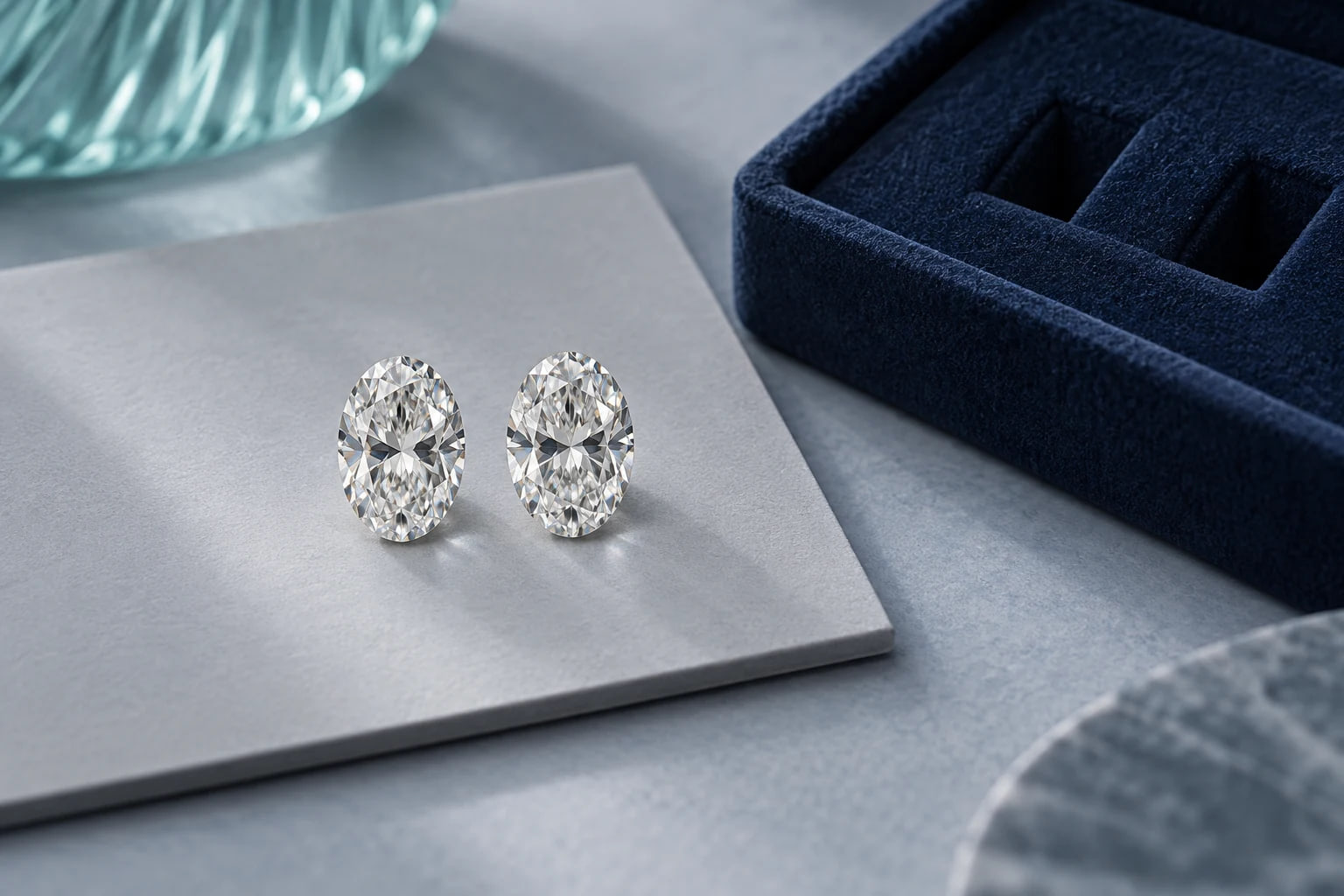
Source matched diamonds as a coordinated product, with requirements for how the stones relate to one another in the finished design. Define the arrangement, relevant dimensions, appearance priorities and quantity unit before requesting a quotation. Review the proposed pair or complete set together, retain its reference and agree how any replacement or repeat selection will be approved. Two individually suitable stones are not automatically an approved pair. The useful buying decision concerns the relationship between the items and the jewelry they will become, supported by clear individual information where it is needed.
Define Whether You Need a Pair, a Set or a Coordinated Assortment
Start by describing the arrangement the stones will form. A pair for stud earrings calls for a different relationship from a center stone with two side stones. A graduated pendant or bracelet may require a sequence rather than identical measurements throughout. A coordinated collection might use similar outlines across several separate products without requiring every diamond to match another item exactly. Identify which of these tasks you are buying. A request for “matching diamonds” is too broad if the supplier cannot tell whether similarity, symmetry, graduation or a specific design relationship has priority.
Give the arrangement a reference your designer and supplier can recognize. A simple drawing or annotated product image can show which stones are seen together, their orientation and the positions that need to coordinate. If a pair is intended to mirror an outline or point direction, explain that requirement rather than assuming the word “pair” conveys it. For a multi-stone design, distinguish the center and side roles. This helps the supplier propose the selection as a complete visual relationship instead of responding with unrelated items that happen to share a broad category label.
Keep assortment coordination separate from item pairing in the brief. A brand can use a consistent shape language across a pendant and earrings while allowing different stone sizes in each product. Conversely, a particular earring pair may need a closer relationship within that product. Write the requirement at the level where it matters. That avoids paying for unnecessary matching across the entire range and prevents a general collection description from replacing the more precise decision needed for a pair or set. The supplier can then focus the selection work on the relationship you intend to sell.
| Selection format | Relationship to define | Purchasing unit to state |
|---|---|---|
| Earring pair | How two stones coordinate when viewed together | Pairs, with two stones per pair |
| Three-stone design | Center and side-stone roles and proportions | Complete sets with identified components |
| Graduated design | Sequence and progression across positions | Sets with a defined position map |
| Coordinated collection | Shared design language across separate products | Individual products or specified selections |
Describe Dimensions and Outline as a Relationship
Measurements help define the relationship, but begin with the design rather than an arbitrary matching threshold. Ask which dimensions must coordinate and which variations the mounting or visual brief can accommodate. For two elongated stones, length and width may both matter to the apparent outline. For a three-stone arrangement, the side stones may intentionally differ from the center. Record the measurement requirements for each role. A shared carat-weight label cannot replace this work because weight and visible dimensions describe different aspects of a stone, as IGI explains.
Use ratios only as descriptive tools when they help the design discussion. In a hypothetical oval comparison, one outline measures 9.0 by 6.0 millimeters and another 9.1 by 6.0. Their length-to-width ratios are 1.50 and about 1.52. The arithmetic highlights a difference; it does not establish whether the pair is acceptable. Your design approver still needs to consider the actual outline, setting and visual relationship. Do not copy these example dimensions as a matching tolerance or assume that a close ratio guarantees a coordinated appearance.
When the setting is fixed, bring its requirements into the same record. The pair may need to fit two existing mountings, or a set may be developed together with a new design. Explain the flexibility so the supplier knows whether it can propose a different dimension or whether that would require a design change. Keep any alternative clearly labeled. A dimensional comparison becomes useful when it leads to a decision your team can act on, with the accepted relationship recorded for the actual stones rather than inferred from a generic size category.
Compare Appearance With the Stones Together
Review the proposed pair or set in the arrangement that matters to the jewelry. Separate close-ups can help examine individual items but may not show how they coordinate. Ask for a relevant shared view where available and decide when a physical sample review is necessary. Keep lighting and background reasonably consistent when comparing options. Your goal is to see the relationship your customer will encounter, not to decide which isolated photograph looks most impressive. The sample request should therefore name the intended arrangement and the specific visual question you want to resolve.
Describe appearance priorities in terms the supplier can discuss. You might want similar outlines in a pair, a balanced transition between center and side stones or a deliberate progression through a graduated design. Distinguish those goals from a requirement for identical listed characteristics. A document may provide useful item information, but your set approval also concerns how the selected goods work together. Retain the reason for the decision in plain language. That gives a later buyer or supplier contact a clearer reference than a general instruction to send stones of “the same quality.”
If an option does not work, identify the relationship that needs adjustment. Explain whether one outline looks broader, one component changes the balance or the sequence differs from the intended design. Avoid expanding a focused observation into an unsupported claim about every stone in the category. A precise sample discussion helps the supplier propose a relevant revision and helps your team keep the approval criteria stable. The final decision should identify the pair or set as a whole, including any intentionally different roles, so the visual relationship does not disappear during the order handoff.
Decide What Individual Documentation Contributes to the Set
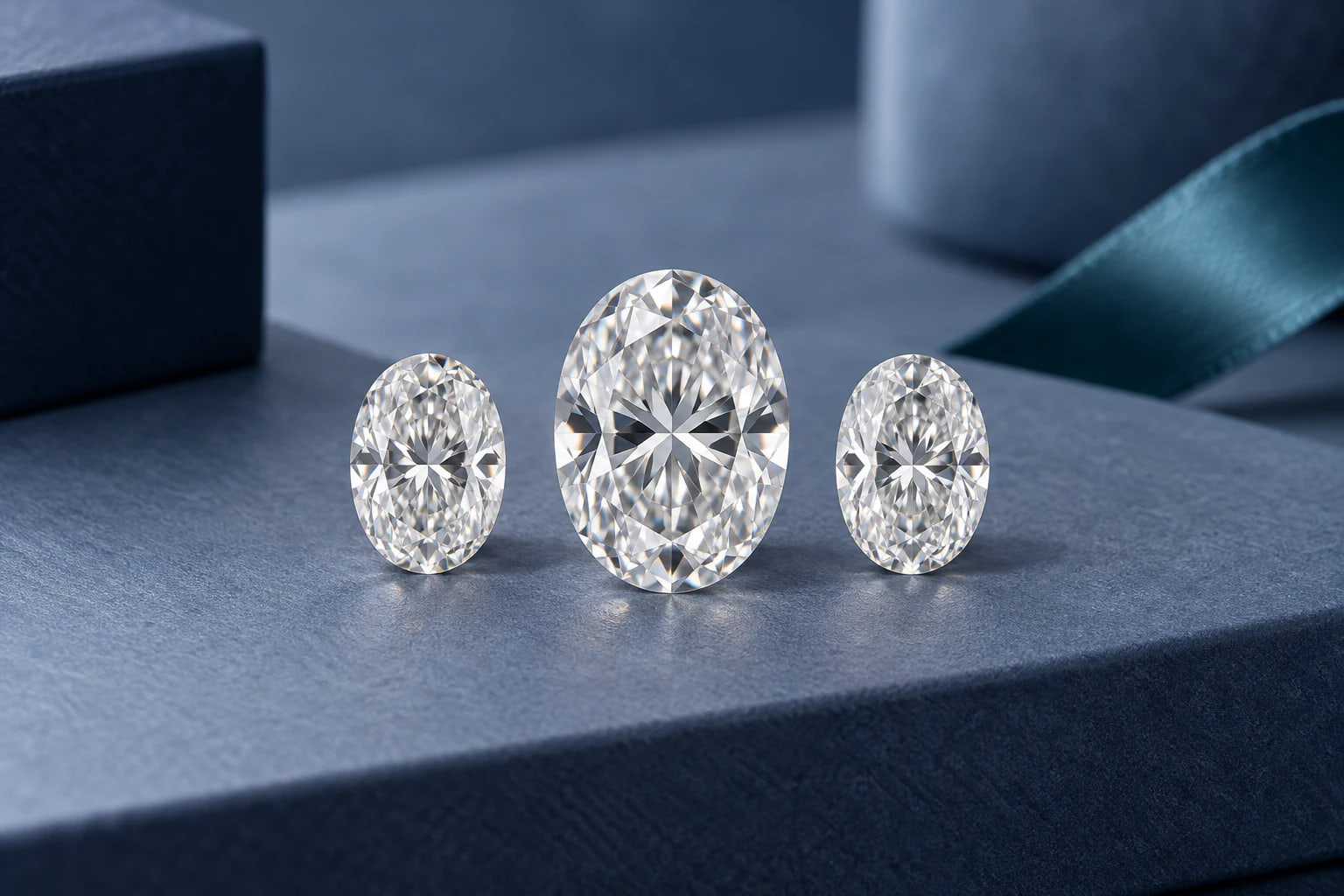
Identify the information needed for each component and the information needed for the combined selection. Individual documents can support relevant characteristics of the items, while the coordinated appearance remains a distinct purchasing requirement. If the quote includes documents, connect each reference to its stone and keep the complete set reference visible as well. This creates a useful two-level record: which items make up the selection, and what the team approved about the relationship. Without both levels, a complete folder of individual records can still leave the set decision unclear.
Do not use a broad document label as an unofficial matching certificate. Ask what the actual service states and what additional review your team needs. If a supplier describes the stones as matched, confirm the criteria and approval process behind that description. It may be a product-selection statement rather than an independent laboratory conclusion. That distinction is straightforward when the purchasing brief describes the task clearly. The document question can then remain focused on the individual information needed for the order instead of being asked to prove an unrecorded design preference.
For a mixed order, state which components require individual documents and what accompanies the other selections. A finished design might use a prominent center stone and smaller coordinated side stones, with different information needs for each role. Keep the request practical and connected to the intended sale or production process. You can consult our report guide for document scope. Here, the important buying action is to keep item information and set approval connected without treating them as the same decision.
Write a Complete Quantity and Price Basis
Ask whether the quotation is per stone, per pair or per complete set. Confirm the number and roles of the components included in the quoted unit. A price that appears lower may simply cover one item rather than the relationship you requested. If the order includes several configurations, give each one a separate reference. The quote should make it easy to see which components and selection work are included. This is particularly useful when a set combines different shapes or sizes and the supplier provides both individual and combined amounts.
Calculate the purchase requirement in the same units used by production or selling. In a hypothetical stud launch, thirty earring pairs require sixty stones. If the buyer chooses one additional approved pair as a reserve for that particular project, the request becomes thirty-one pairs or sixty-two stones. That reserve is a project choice, not an industry rule. If the supplier quotes per piece, ask how the matching work and pair allocation are reflected. The arithmetic should preserve the pair relationship rather than turning the order into a pile of sixty-two interchangeable items.
For three-stone or graduated sets, use a component map. Show the number of complete sets and the required items in each position, then separate any approved reference or reserve allocation. Keep a proposed component substitution distinct from an additional complete set. The resulting price comparison is more meaningful because it concerns the same buying outcome. You can also identify which charges belong to documentation, selection or delivery rather than assuming all extra work is embedded in an unexplained unit amount.
| Hypothetical requirement | Complete selling units | Stones per unit | Production stones | Additional project choice |
|---|---|---|---|---|
| Stud earrings | 30 pairs | 2 | 60 | One extra pair adds two stones |
| Three-stone rings | 20 sets | 3 | 60 | Any reserve must retain the relevant role |
| Five-position pendants | 12 sets | 5 | 60 | A component map identifies each position |
Approve the Pair or Complete Set Before Handoff
Create a set reference before the final approval. Identify its components, the relevant sample views and the decision made by your product approver. If the approval concerns a physical sample, keep the connection to that sample clear. If the selection changes, identify which component changed and whether the whole relationship needs another review. This avoids a common coordination problem: each person assumes that a replacement with similar listed characteristics automatically preserves the approved appearance. The approval should concern the currently offered pair or set, not a memory of an earlier option.
Include the setting contact where fit affects the result. A pair may look coordinated on paper while one mounting requires a different adjustment. A three-stone design may need the components viewed in their intended positions before the balance is accepted. Bring those questions into the trial instead of discovering them after the order has been divided between production teams. The supplier needs a clear response that distinguishes a dimensional issue, an appearance preference and a change in the design itself. Each leads to a different sourcing action.
Close the approval with the information needed at receiving. The order record should show which items belong together and how they will be identified. If the supplier prepares several pairs, agree whether the pairs remain separately allocated or whether your team will handle any final sorting. State the approved arrangement rather than assuming a general batch description preserves it. A useful handoff makes the combined purchasing decision visible to the person opening the packages, so the relationship approved during sampling is not lost before the stones reach the finished jewelry.
Plan Replacements Without Losing the Original Relationship
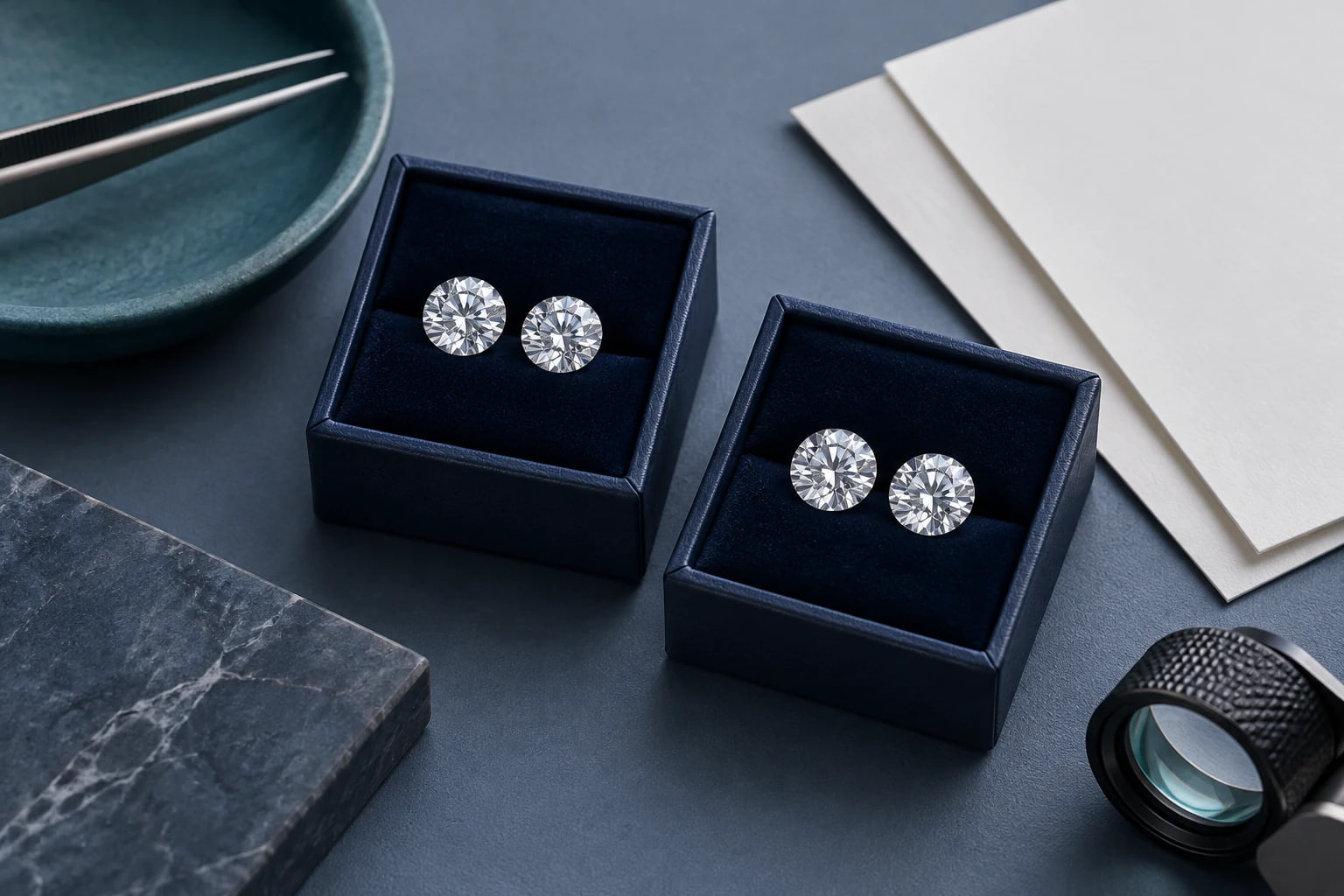
Decide how a replacement request will be described before one is needed. If one item in a pair is unavailable or unsuitable, the next sourcing task may concern matching an existing retained stone rather than supplying another arbitrary item from the same category. Identify the reference that should be used and who will approve the new relationship. For a multi-stone set, clarify whether a replacement affects one position or requires review of the complete arrangement. This turns an urgent request into a defined task that the supplier can understand.
Keep the necessary product information accessible. A retained sample reference, relevant measurements and shared views can help explain the intended relationship, but determine whether the actual retained item needs to be reviewed for the decision. Do not assume a file of individual labels settles every matching question. If the original selection cannot be reproduced appropriately, discuss the alternative openly: a revised pair, a different complete set or a design adjustment may need approval. Record which route is chosen so the sales and production teams do not continue working from an earlier description.
Treat the process as part of customer service planning rather than a claim that all future replacements are instantly available. Your business can explain how it handles the request and what information it retains, while current product options and timing are discussed for the actual case. This is a practical way to protect the quality of the decision without promising an outcome before the goods have been evaluated. The same approach also helps with an additional set purchased later, when the customer expects coordination with an established design rather than only a familiar product name.
| Change situation | Define the new sourcing task | Approval focus |
|---|---|---|
| One earring stone changes | Match the retained item or review a revised pair | The appearance of the resulting pair |
| One side stone changes | Supply the correct role and relationship | Fit and balance within the complete design |
| A new batch of pairs is ordered | Repeat the agreed pair requirements | Consistency within each pair and the range |
| The design is revised | Update the component map | The new arrangement rather than the old reference |
Build a Repeatable Range Without Overmatching Every Item
A brand range can share a visual language without requiring every stone in every product to be identical. Decide where close matching adds value and where the relationship is broader. The two stones within an earring pair may deserve a more specific review than a ring and pendant that belong to the same collection. Keep these levels separate in the assortment plan. This helps your supplier focus the selection work and helps your team avoid adding an unnecessary restriction that makes a flexible collection harder to source or maintain.
Use consistent product references across the range. If the collection uses one shape family in several sizes, identify the purchasing requirement for each selling unit. Retain the approved sample decision where it matters, and describe the shared collection story separately. When a new product is introduced, ask whether it belongs within an existing matching relationship or simply extends the design language. That decision can prevent a sourcing request from becoming more complicated merely because the marketing team uses the same collection name for several different pieces.
Review the range after the first meaningful sales or production cycle. Which pairs or sets need repeat selection? Which requirements caused useful improvement, and which added effort without helping the intended product? Use the answers to refine the next brief. MEITUO supports coordinated selections and ongoing supply discussions so the product relationships can remain connected to practical purchasing. The objective is a collection your business can explain and replenish, with matching effort directed at the places where the customer or design actually needs it.
Complete a Matching Brief Before Asking for Options
Bring the arrangement, component roles, measurements, visual priorities and quantity unit into one brief. Add the sample review method, relevant individual documentation and the reference needed for repeat or replacement discussions. If one question is unresolved, state it as a question rather than hiding it behind a broad quality request. The supplier should be able to recognize whether you need an identical-looking pair, a coordinated but intentionally different set or a group of products sharing a collection language. Those tasks lead to different selection work.
Record the relationship you want approved. A concise description such as “two ovals for this stud design, reviewed together against the attached mounting reference” provides a better starting point than a list of isolated grades. Then add the dimensions and documentation required for the actual project. Involve the designer or setter when their decision affects the selection. Your product approval remains tied to the relevant evidence and offered items.
When you speak with MEITUO, we can discuss the appropriate paired, side-stone or coordinated selections in the context of that brief. Keep the final set reference with the quotation and approval record so the next person handling the purchase understands the combined product. That is what makes matching useful as a sourcing service: the relationship remains visible from the first request to the finished jewelry and the next order, rather than disappearing into separate item descriptions once a price has been agreed.
Discuss Pairs and Sets With MEITUO
We help business buyers source matched pairs and coordinated diamond selections in relation to the jewelry they intend to produce or sell. Share the arrangement, product references and priorities so we can connect the selection, quality requirements and order coordination. Low-MOQ starting points and repeat purchasing can be discussed alongside product materials, packaging and logistics support where relevant to the collection.
Explore our matched lab-grown diamond selections or prepare our contact form. The more clearly the relationship is described, the more useful the sourcing conversation becomes for your designer, purchasing team and supplier.
Share the details you know. Product quantities and project scope can be confirmed in conversation.
Matched Selection Questions
Are Two Stones With the Same Listed Characteristics Automatically a Pair?
Treat the pair relationship as a separate approval task. Individual information can help narrow the selection, but your design may also require a particular visual relationship, dimensions or outline. Review the offered items together and keep the complete pair reference. The purpose is to approve the product you intend to sell rather than assume that two similar labels settle every matching requirement.
Should I Specify the Total Weight or Each Stone’s Weight?
Make clear whether a stated weight concerns one component or the complete pair or set. Add the dimensions needed for the design and identify the quoted quantity unit. A supplier should not have to infer whether “one carat” refers to one earring stone or the combined product. Keep the individual and combined descriptions connected wherever both are used in the purchasing or selling record.
Is There a Universal Acceptable Length-to-Width Difference?
This guide does not prescribe one. Use the design, mounting and visual review to define the relationship that matters. Ratios can describe a difference, but they do not independently approve a pair. The numerical example in the guide is hypothetical arithmetic, not a matching threshold. Agree the relevant requirements with your product approver and source against that particular brief.
What Should I Request for a Three-Stone Ring?
Describe the center and side-stone roles, the intended arrangement and the measurements needed for the mounting. Identify how the components should coordinate and whether they will be approved together. Ask for a complete set reference and a clear price basis. A request for three stones without a component map can leave the supplier uncertain about which relationship the design needs.
Can I Replace Only One Stone in an Approved Pair?
Define the replacement task around the retained item and review the resulting relationship. Depending on the available options and the design, your team may approve an individual replacement or decide to review a revised pair. Keep the actual reference and current product information available. Do not assume that another item from the same broad category automatically preserves the appearance you originally approved.
How Should Multiple Pairs Be Packed and Identified?
Agree the allocation and labeling your receiving and production teams need. If the pairs are selected as separate coordinated products, keep their set references visible through the handoff. The quotation, order record and package information should let the next person identify which items belong together. State the arrangement rather than assuming a generic parcel preserves the selection work completed during approval.
Can I Coordinate a Whole Collection Without Matching Everything Exactly?
Yes. Describe the shared design language separately from close matching within an individual product. A ring, pendant and pair of earrings can belong to one collection while using different sizes or component relationships. The sourcing brief should identify where matching is essential and where broader coordination is enough. That helps direct selection effort toward the product decisions that matter to the range.
What Should I Send MEITUO to Begin?
Share the intended jewelry, a drawing or reference if available, the component roles, relevant dimensions, quantity unit and matching priorities. Identify any individual documentation needs and the person who will approve the selection. You can begin with open questions if the design is still developing. We can then discuss appropriate options and a useful sample or first-order plan around the actual relationship required.
Sources and Editorial Notes
Matching criteria, approval workflows and examples are practical purchasing recommendations. Example quantities and dimensions are hypothetical and do not establish a universal tolerance, reserve allowance or product specification.