 English
 Español
 Português
 Deutsch
 Français
 Italiano
 Nederlands
 العربية
 日本語
 한국어
 ไทย
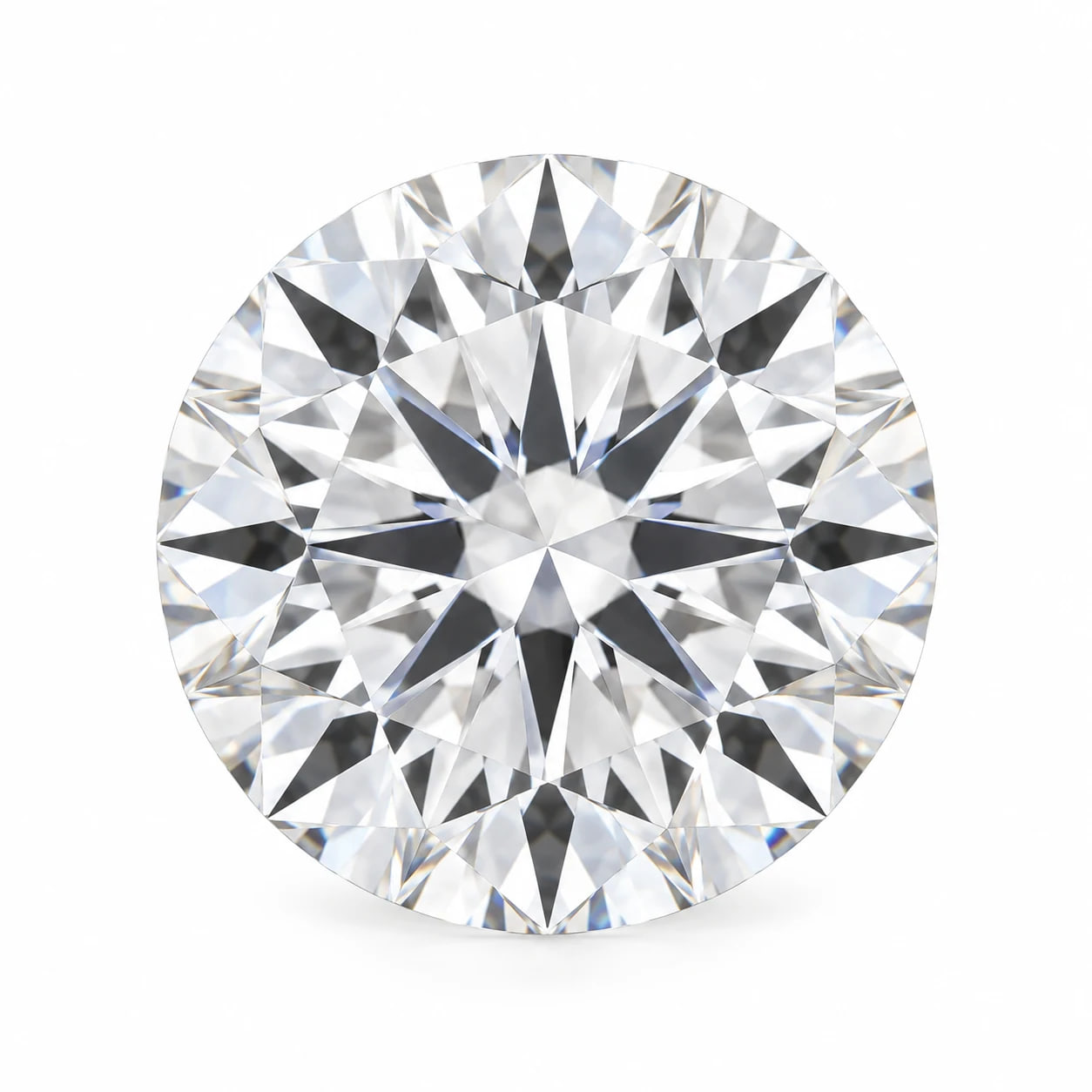
Loose Lab-Grown Diamonds / SOURCING ON REQUEST
Round Brilliant Lab-Grown Diamonds Wholesale
Specify round brilliant center stones and matching pairs by diameter, report details and face-up appearance for your next jewellery order.
Explore ProductMEITUO / Product sourcing collection
Choose the shape. Check the individual stone. Build a center-stone brief that works with the finished design.
Actual availability confirmed by enquiry
Define the product family
Loose lab-grown diamonds in this collection are polished center-stone sourcing options for engagement rings, pendants and custom jewellery. The ten shape pages describe different outlines and cutting styles, from round brilliant to rectangular step cuts and pointed fancy shapes. A category name is only the beginning: compare the actual dimensions, proportions, report fields and face-up appearance. For an existing setting, its millimeter requirements matter alongside carat weight. Each page helps you state those priorities before requesting a shortlist; none should be read as a promise that every combination is in stock.
Browse the product options
10 product groups
Sourcing options, not a live stock list
Loose Lab-Grown Diamonds / SOURCING ON REQUEST
Specify round brilliant center stones and matching pairs by diameter, report details and face-up appearance for your next jewellery order.
Explore ProductLoose Lab-Grown Diamonds / SOURCING ON REQUEST
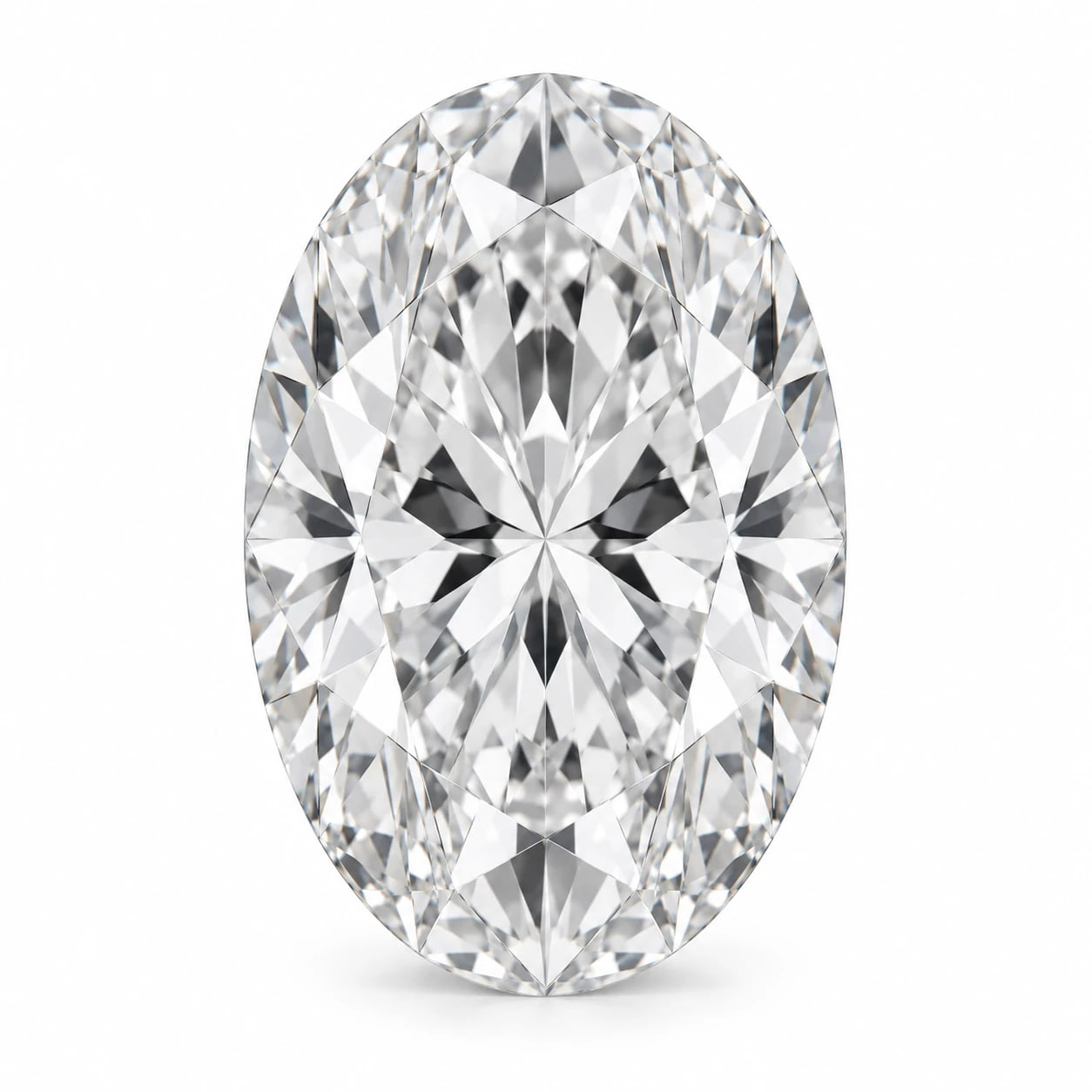
Source loose oval center stones and matched pairs for bridal collections, bespoke jewellery and repeat business orders.
Explore ProductLoose Lab-Grown Diamonds / SOURCING ON REQUEST
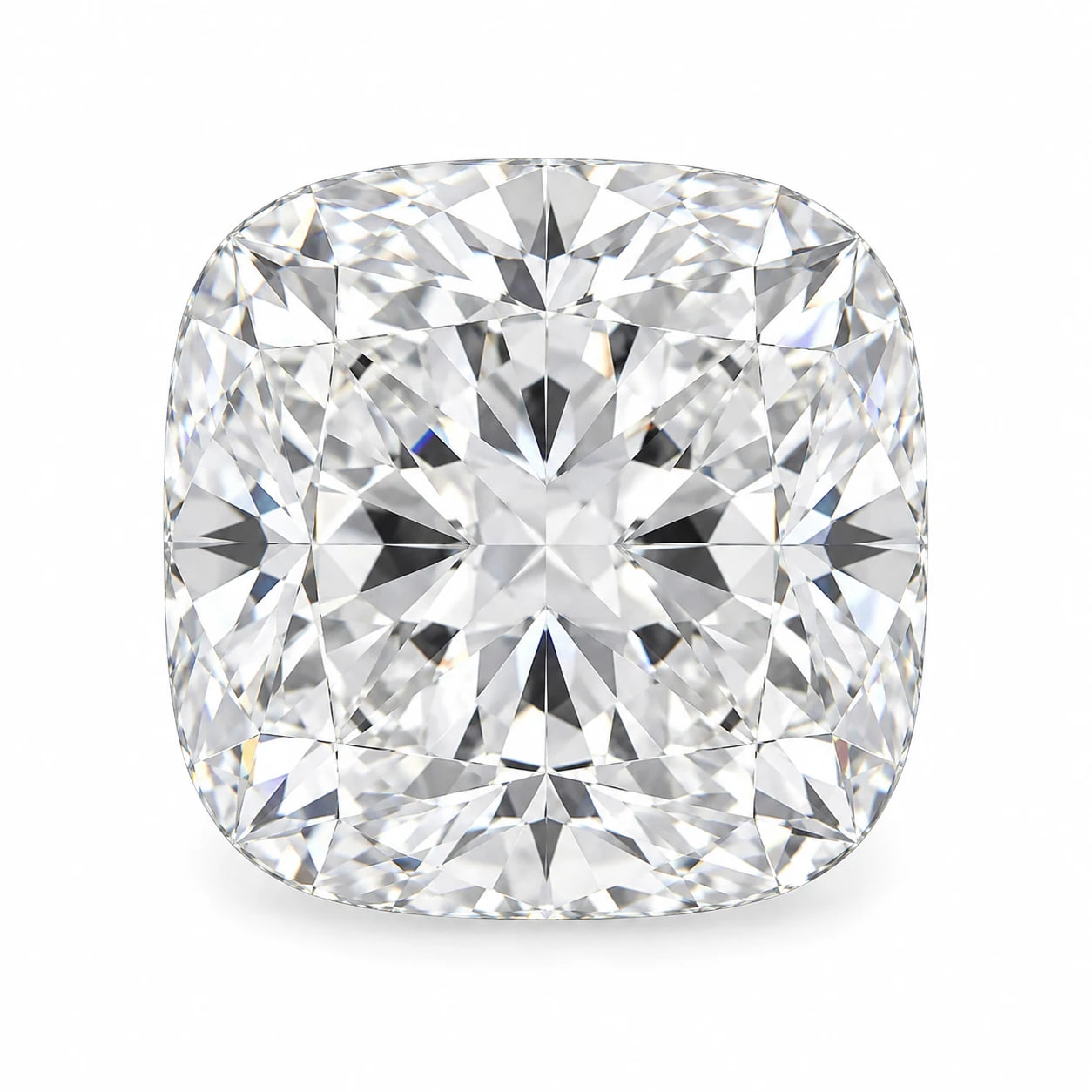
Build a cushion-cut diamond brief around square or elongated outlines, facet appearance and the dimensions of your finished design.
Explore Product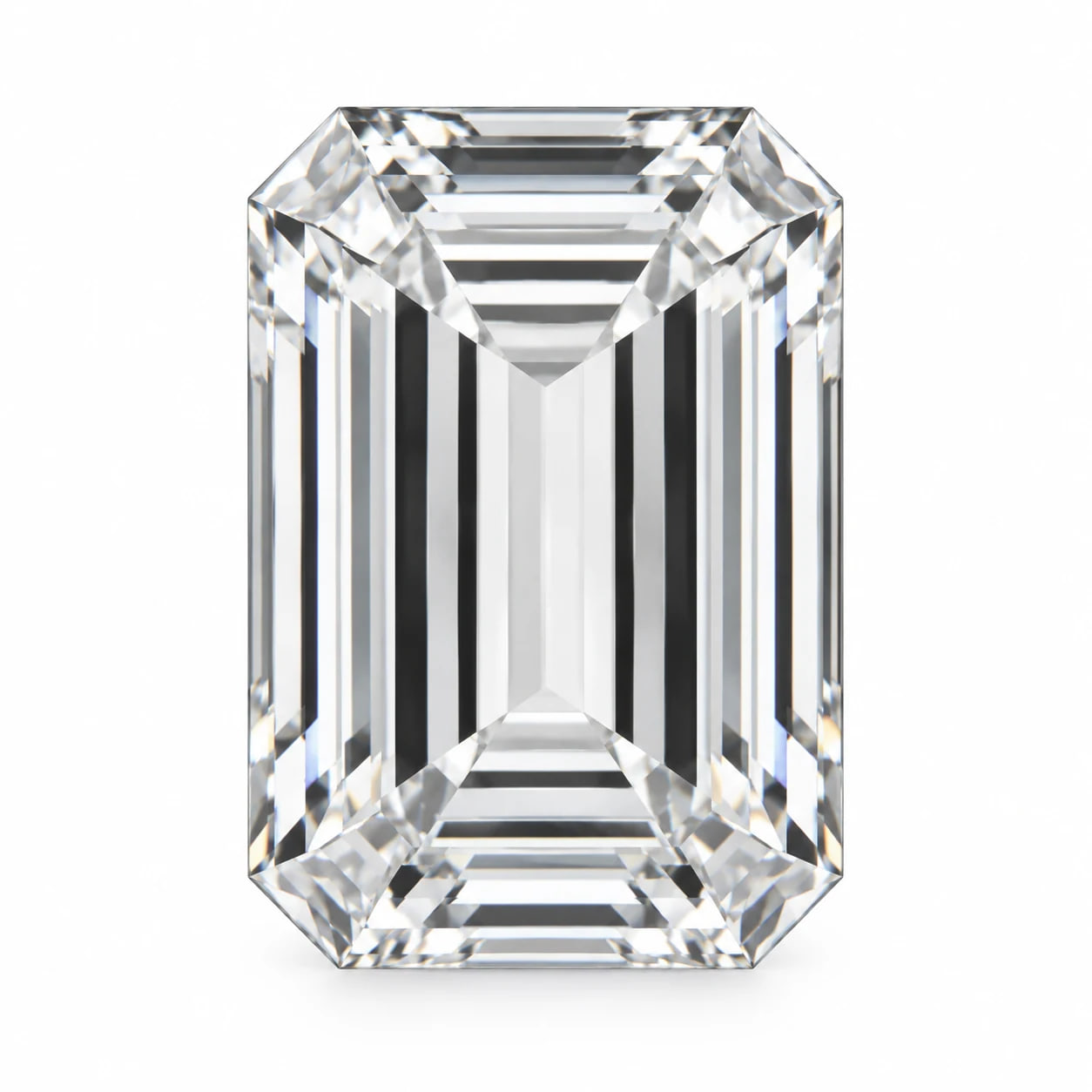
Loose Lab-Grown Diamonds / SOURCING ON REQUEST
Select emerald-cut lab-grown diamonds through step-facet appearance, clipped-corner outline and setting dimensions, with documentation reviewed stone by stone.
Explore Product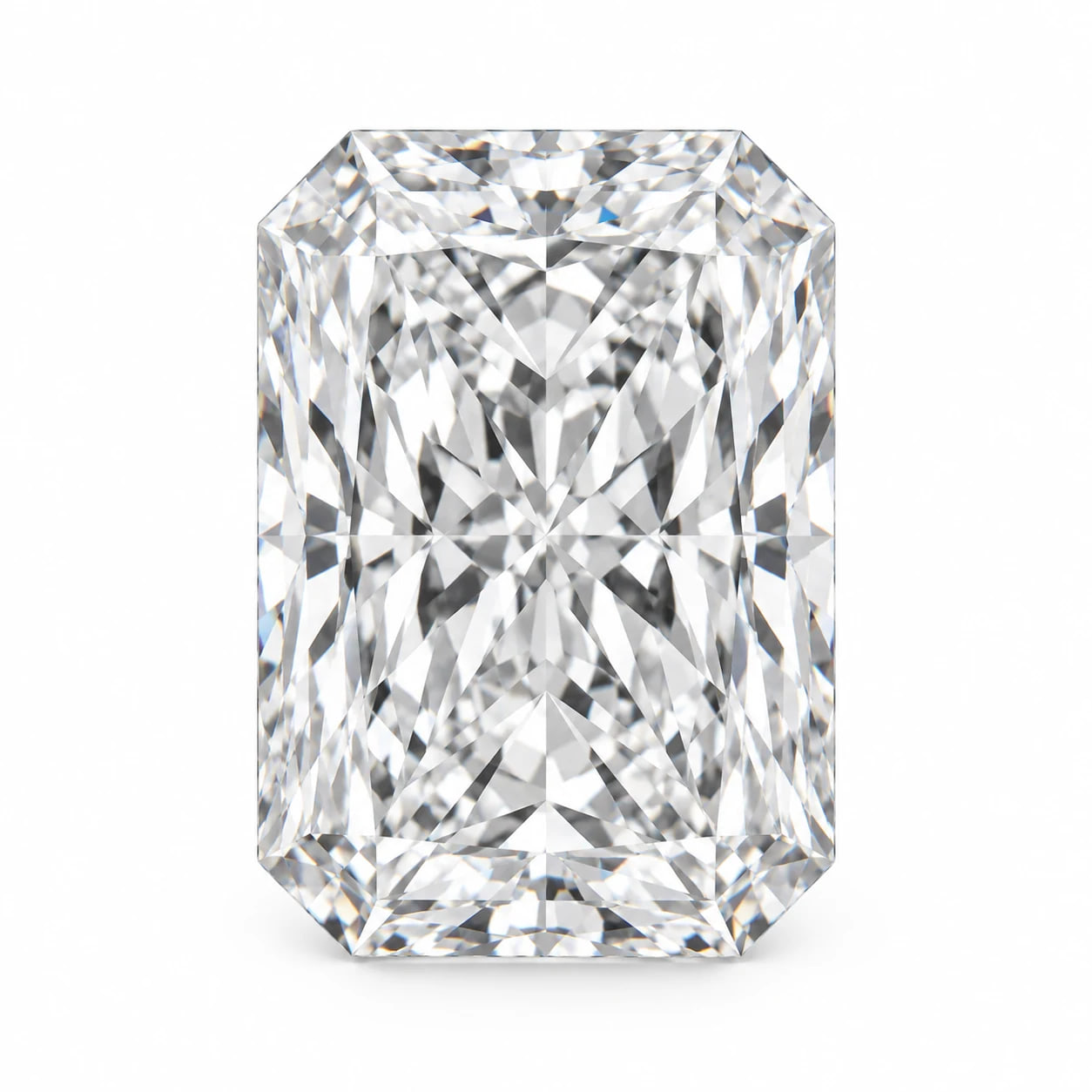
Loose Lab-Grown Diamonds / SOURCING ON REQUEST
Brief radiant-cut lab-grown diamonds by square or rectangular outline, clipped corners, face-up pattern and the requirements of the intended mount.
Explore Product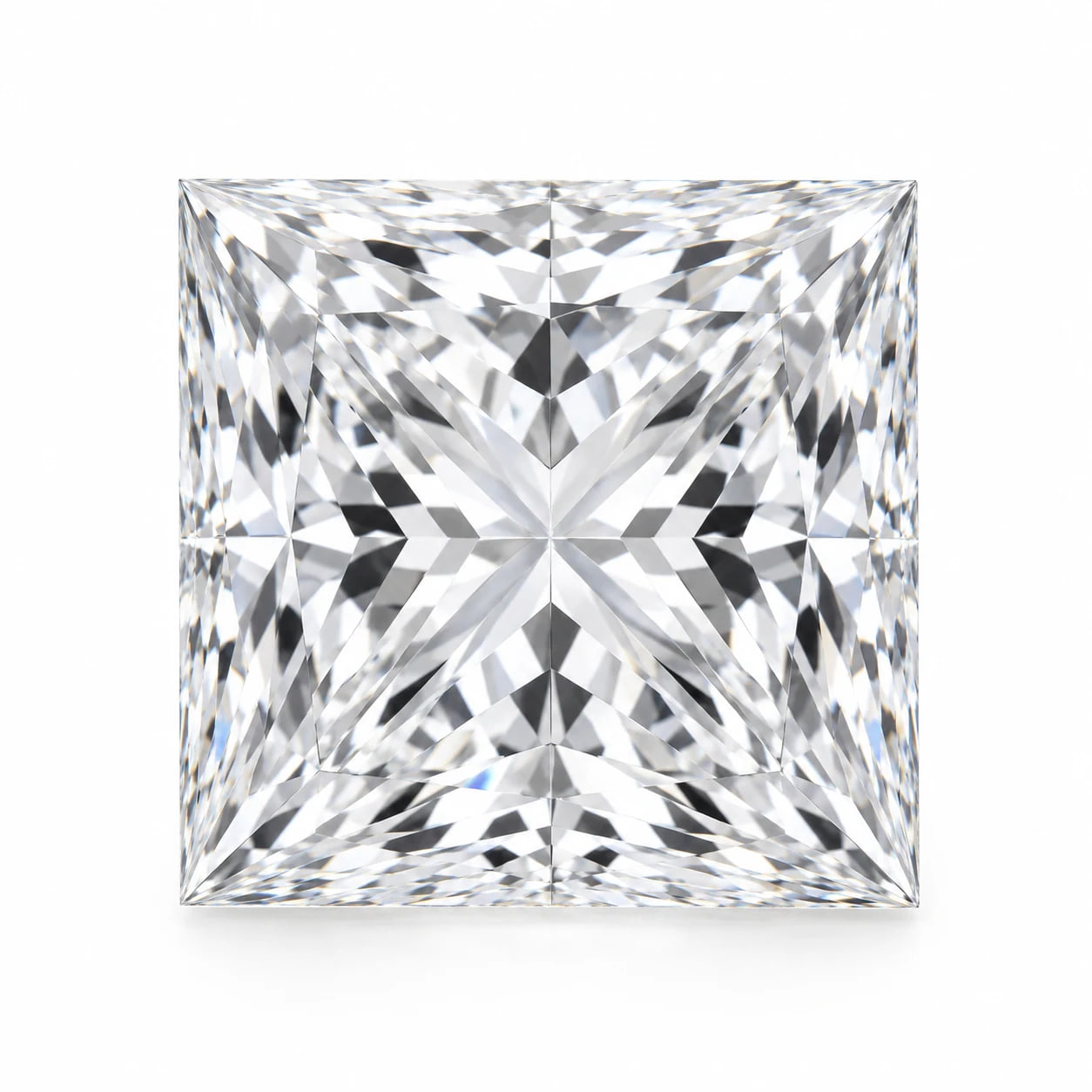
Loose Lab-Grown Diamonds / SOURCING ON REQUEST
Source princess-cut lab-grown diamonds with clear edge dimensions, corner-support requirements and matched-pair criteria for rings, studs and repeat designs.
Explore Product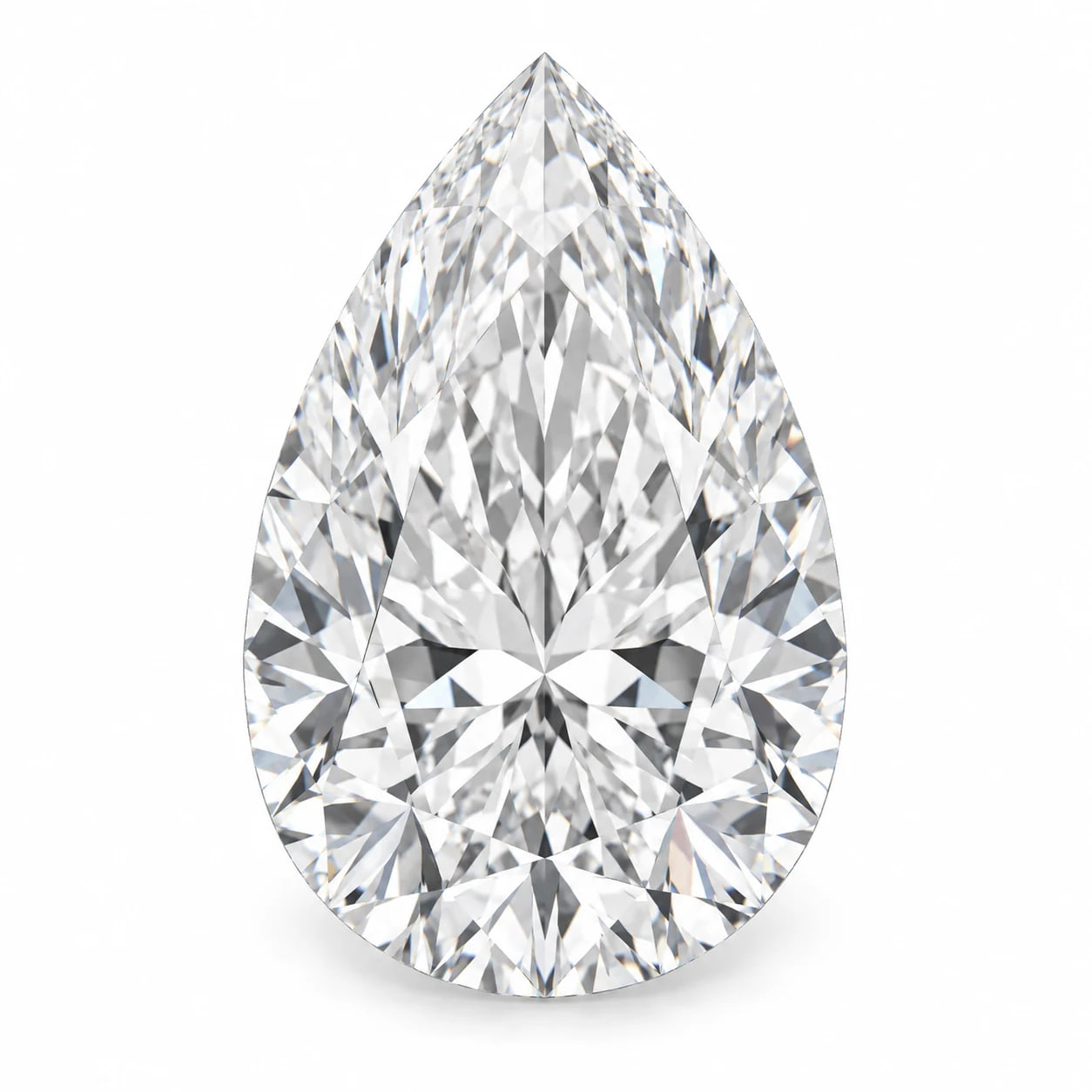
Loose Lab-Grown Diamonds / SOURCING ON REQUEST
Plan pear-shaped lab-grown diamond sourcing around the point, shoulder balance, setting orientation and matching requirements of your finished jewellery.
Explore Product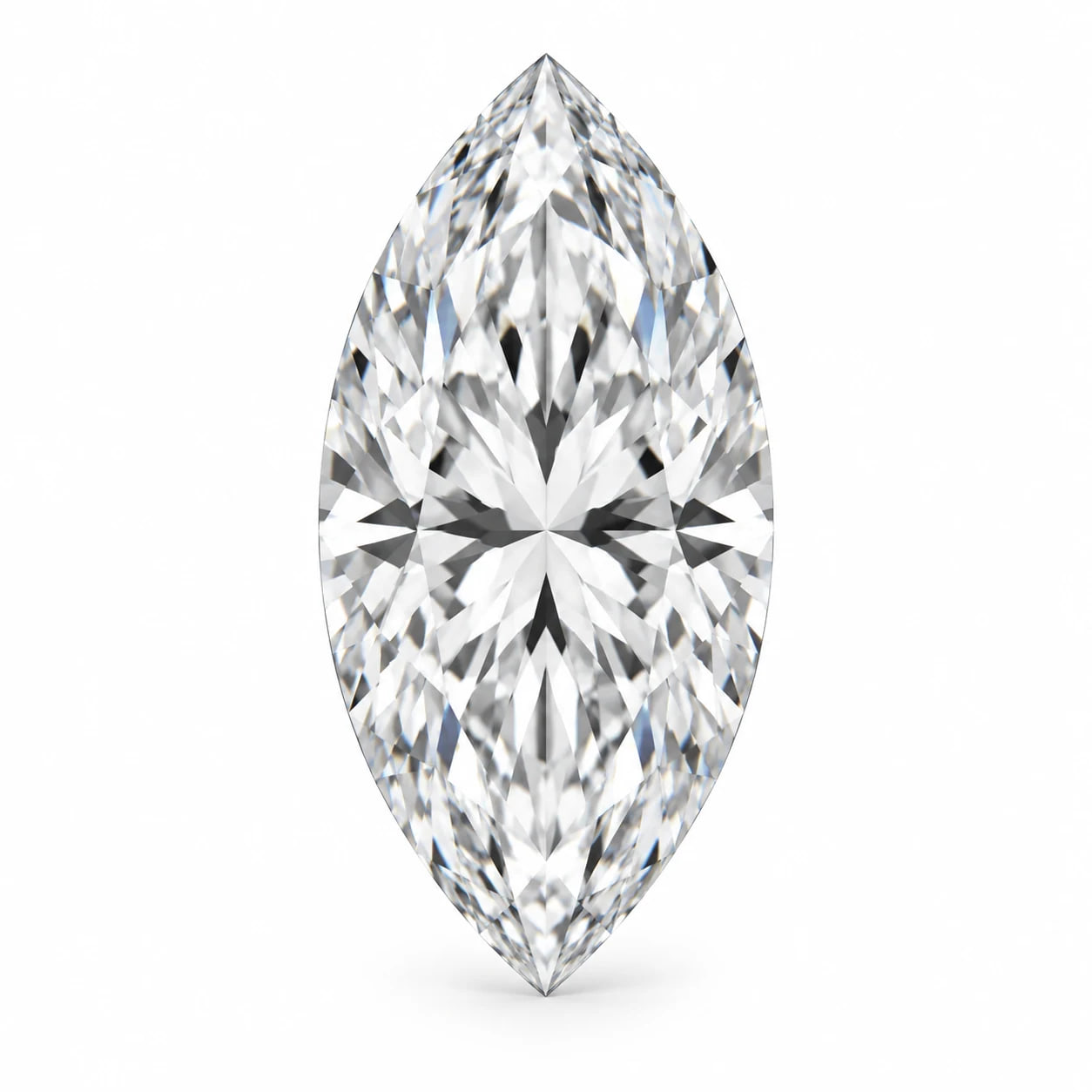
Loose Lab-Grown Diamonds / SOURCING ON REQUEST
Specify marquise lab-grown diamonds through aligned points, balanced shoulders, face-up appearance and the orientation of your ring or earring design.
Explore Product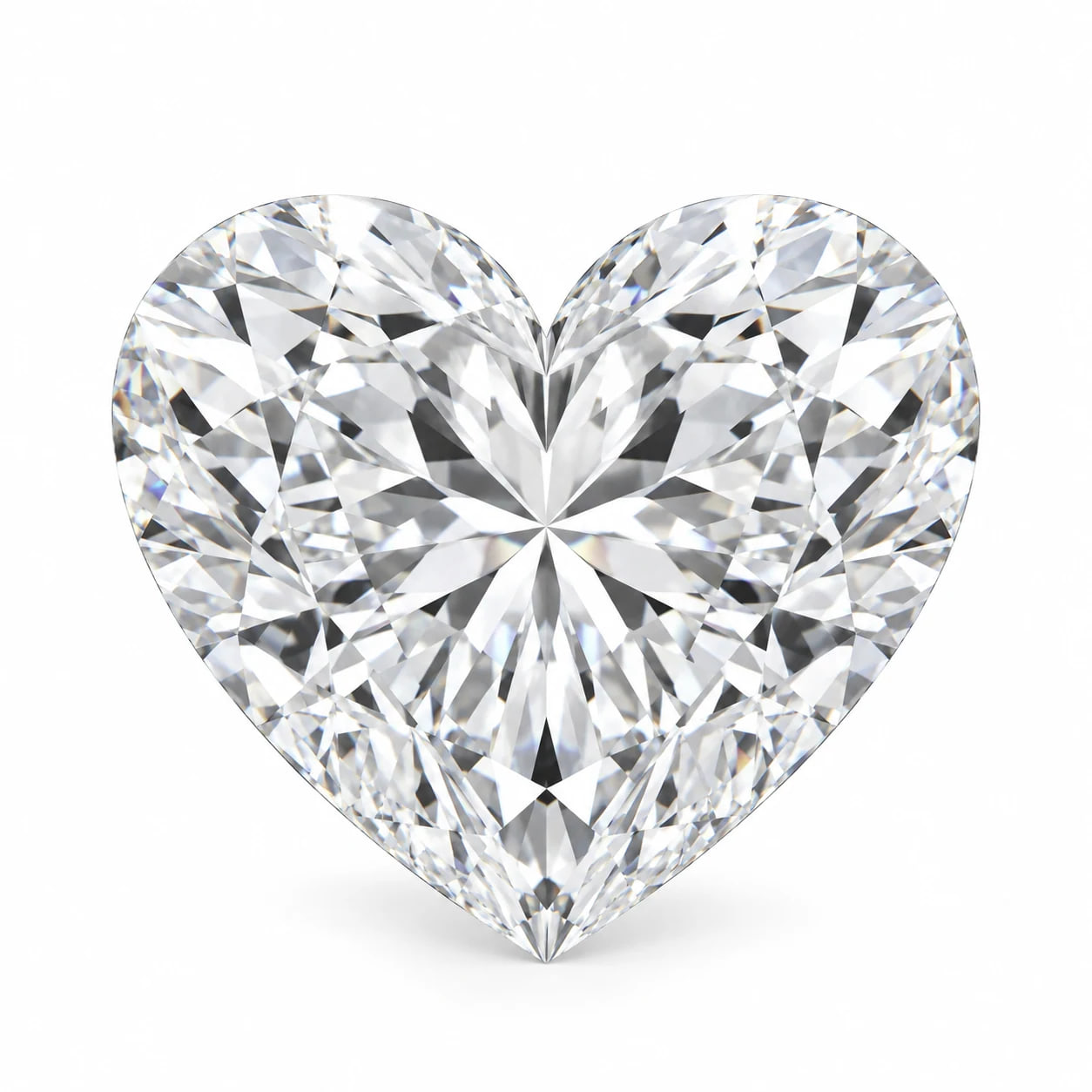
Loose Lab-Grown Diamonds / SOURCING ON REQUEST
Source heart-shaped lab-grown diamonds with a clear cleft, balanced lobes and agreed orientation for rings, pendants and matched design projects.
Explore Product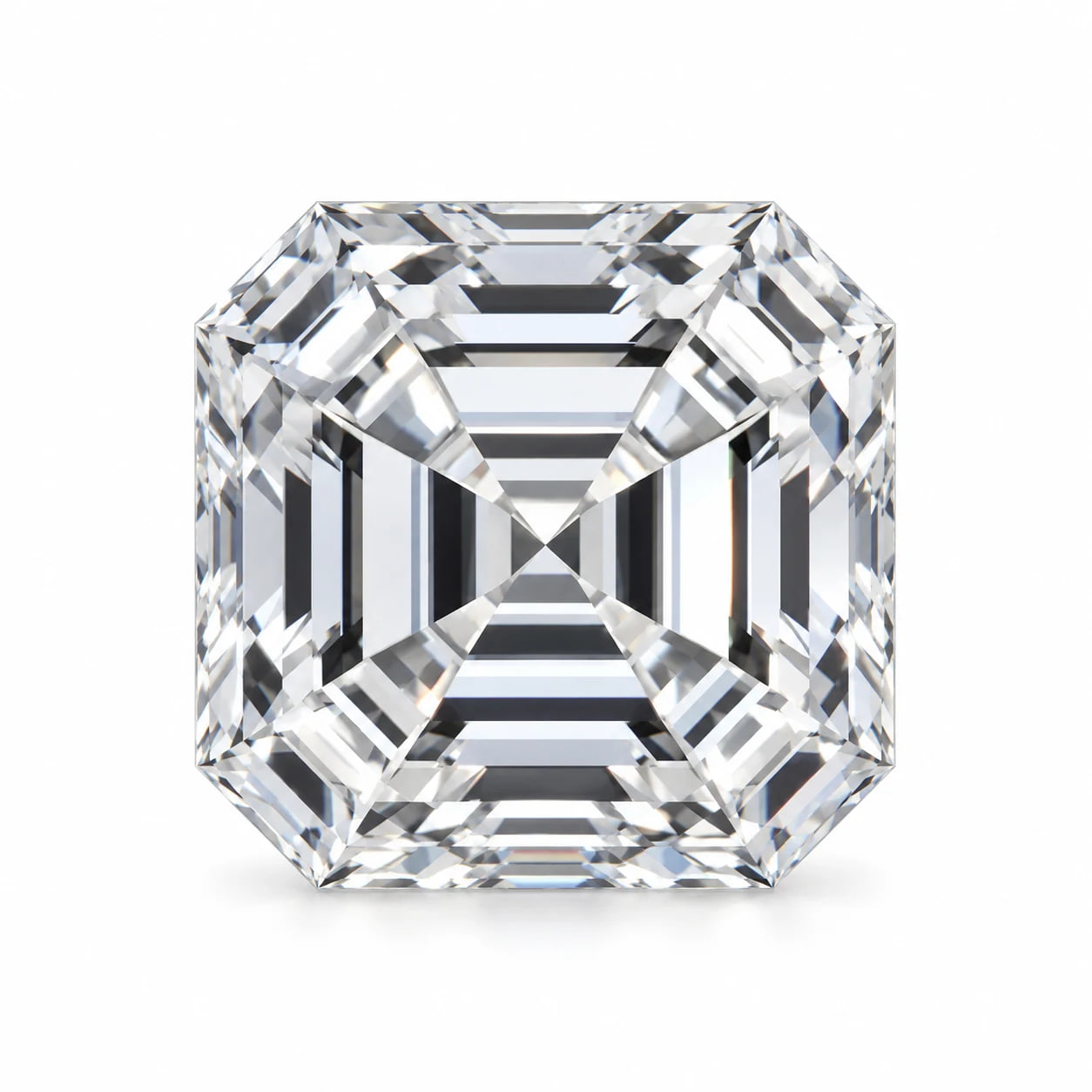
Loose Lab-Grown Diamonds / SOURCING ON REQUEST
Define Asscher-cut lab-grown diamond sourcing through square step geometry, clipped corners, depth and the appearance standard of your design.
Explore ProductNo matching product group. Try a shape name or reset the filters.
Choose with a complete specification
A category page should help you compare options before you submit an enquiry.
Round and fancy brilliant styles create a different visual pattern from emerald or Asscher step cuts. Decide whether the collection needs a circular, elongated, softly squared or pointed outline, then evaluate the actual facet presentation.
Pear, marquise, princess and heart designs require attention to their distinctive tips or corners. Discuss how the final setting protects and accommodates the outline rather than assuming one mount fits every shape.
Use the grading laboratory's actual fields, including any shape-specific cut assessment supplied. Do not apply a round-diamond 3EX label mechanically to all fancy shapes. Confirm weight and dimensions against the proposed stone.
Two attractive individual diamonds are not automatically a suitable earring pair. If the project needs matching, compare outline, face-up size, proportions and color appearance together. Link the separate reports to the pair record.
06 / A practical comparison
Compare the properties that change the purchasing decision, then review the actual selected stones or parcel.
| Shape group | Visual emphasis | Selection check |
|---|---|---|
| Round brilliant | Circular outline and radial facet pattern | Diameter, depth and visual light return |
| Oval, cushion and radiant | Outline proportions and brilliant pattern | Actual dimensions and face-up presentation |
| Emerald and Asscher | Geometric steps and broad visible facets | Step alignment, proportions and visual clarity |
| Pear, marquise and heart | Distinct tips, lobes or a directional outline | Contour symmetry and setting compatibility |
| Princess | Square outline with pointed corners | Corner condition, dimensions and mount fit |
Connect products to the finished piece
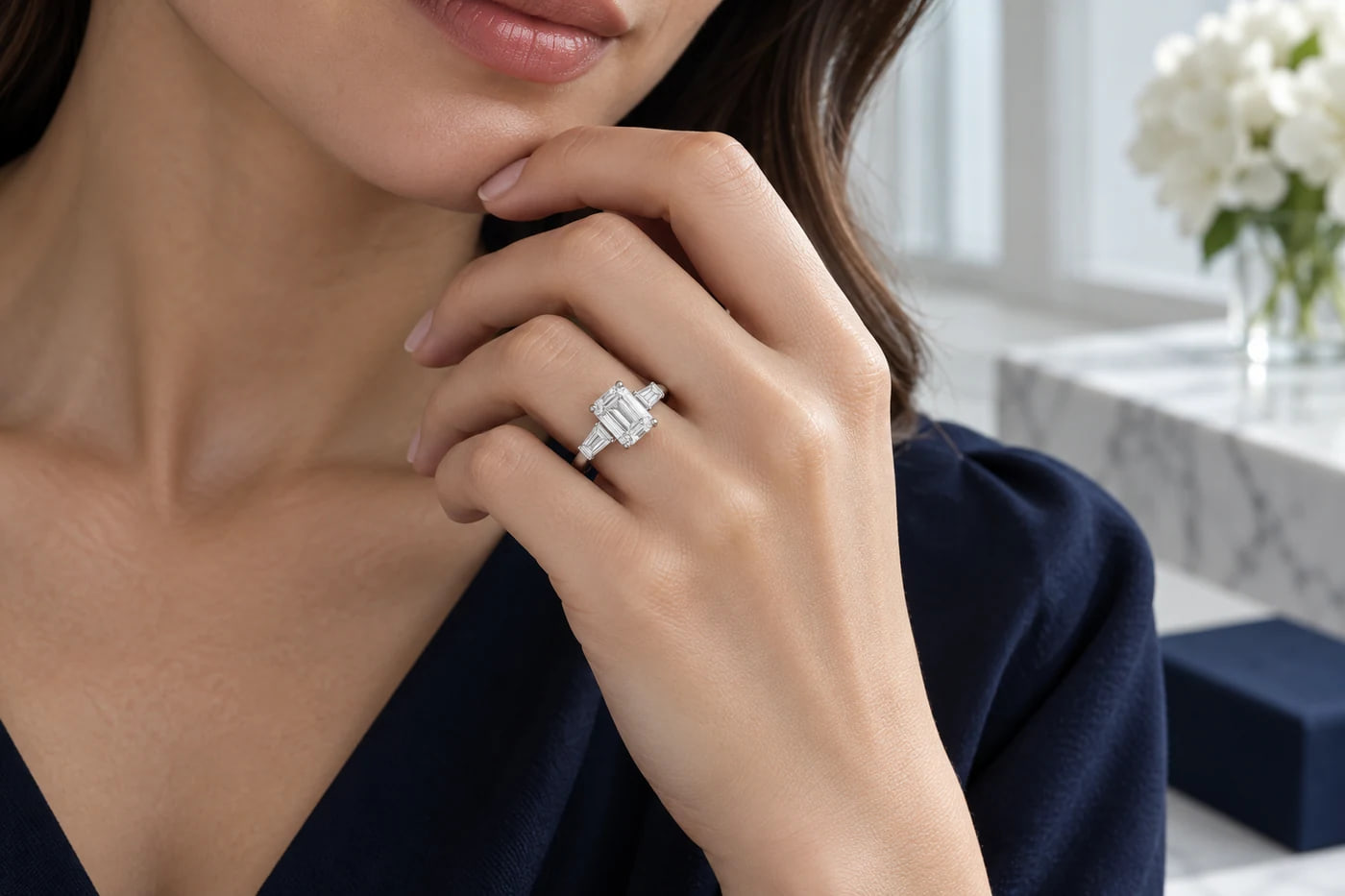
Coordinate the rectangular emerald-cut center with the baguette side stones through a complete ring layout. State the center’s dimensions, side-stone dimensions, orientation and relative scale before selection. Review the proposed combination together, and identify the center and each side separately in the quote with their applicable document and matching requirements.
Explore the Relevant Product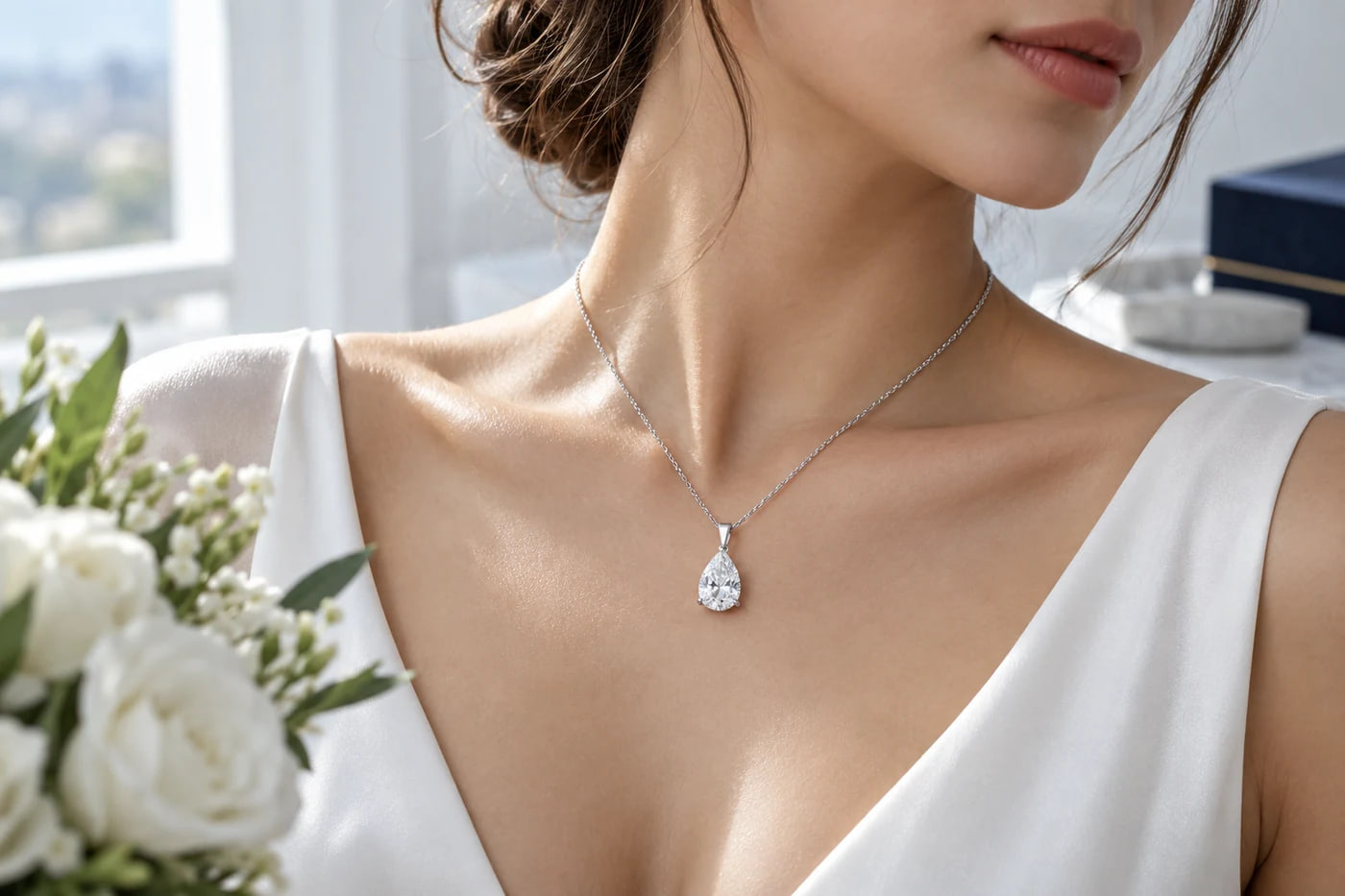
For a pear pendant, define point direction and how the bail and supporting metal interact with the teardrop outline. Supply length, width, depth and a contour reference before selecting the stone. Review shoulder balance and point support with the mounting plan so the finished pendant preserves the intended silhouette.
Explore the Relevant ProductSpecific buyers, specific requirements
01 / BUYER BRIEF
Source a step-cut center around a precise architectural design.
Provide length, width, depth, ratio reference, corner geometry and the mount’s fixed constraints.
02 / BUYER BRIEF
Use teardrop outlines consistently across a collection.
State the wearing direction, contour reference, pair layout and individual versus total weights.
03 / BUYER BRIEF
Compare round selections across a defined business order.
Group the request by diameter or weight band, document requirements and order unit; keep every approved stone or pair identifiable in the selection list.
| Market scenario | Example procurement use | What needs clarification |
|---|---|---|
| United States | Step-cut bridal and three-stone assortments | Center data and side-stone layout |
| United Kingdom | Bespoke teardrop ring and earring work | Point support and matched silhouette |
| Australia | Made-to-order solitaire and pendant collections | Design approval sequence and repeat diameter bands |
08 / Before you source
The collection includes round, oval, cushion, emerald, radiant, princess, pear, marquise, heart and Asscher shape pages. They describe selection requirements and sourcing conversations. Availability in a particular weight, document format or grade must be checked for the proposed order.
No. Two stones of the same weight may have different length, width, depth and outline. Use measured dimensions and a consistent visual reference, particularly when fitting an existing mount or matching stones across a collection.
Individual report requirements belong in the sourcing brief. Confirm the issuing laboratory, actual report coverage and correspondence to each proposed stone. Smaller accent goods and parcels may use a different documentation approach from center stones.
Include the shape, desired weight, millimeter constraints, color and clarity preferences, report requirement and a reference for the outline. If the ring also contains side stones, share that layout so the center and surrounding stones can be considered together.
Submit the specific requirements for review rather than assuming a shape page guarantees all dimensions. State which parameters are fixed and which can vary. This helps compare suitable options without replacing an essential setting constraint with a broad weight range.
09 / Prepare the next conversation
Start with the fixed requirements and explain where the sourcing selection can vary.
Describe the product format, design requirements, document needs and intended purchase unit. The actual selection and commercial terms are confirmed through the quotation.
YOUR PREFERRED REQUIREMENT
Loose Lab-Grown Diamonds Wholesale
Continue to our contact form with your selected specifications and send your requirements directly to our sourcing team.
Review your product selection and requirements on our contact form.
Connect the catalogue and procurement requirements
Loose Lab-Grown Diamonds / SOURCING ON REQUEST
Specify round brilliant center stones and matching pairs by diameter, report details and face-up appearance for your next jewellery order.
Explore ProductLoose Lab-Grown Diamonds / SOURCING ON REQUEST
Source loose oval center stones and matched pairs for bridal collections, bespoke jewellery and repeat business orders.
Explore ProductLoose Lab-Grown Diamonds / SOURCING ON REQUEST
Build a cushion-cut diamond brief around square or elongated outlines, facet appearance and the dimensions of your finished design.
Explore ProductLoose Lab-Grown Diamonds / SOURCING ON REQUEST
Select emerald-cut lab-grown diamonds through step-facet appearance, clipped-corner outline and setting dimensions, with documentation reviewed stone by stone.
Explore ProductLoose Lab-Grown Diamonds / SOURCING ON REQUEST
Brief radiant-cut lab-grown diamonds by square or rectangular outline, clipped corners, face-up pattern and the requirements of the intended mount.
Explore ProductLoose Lab-Grown Diamonds / SOURCING ON REQUEST
Source princess-cut lab-grown diamonds with clear edge dimensions, corner-support requirements and matched-pair criteria for rings, studs and repeat designs.
Explore ProductLoose Lab-Grown Diamonds / SOURCING ON REQUEST
Plan pear-shaped lab-grown diamond sourcing around the point, shoulder balance, setting orientation and matching requirements of your finished jewellery.
Explore ProductLoose Lab-Grown Diamonds / SOURCING ON REQUEST
Specify marquise lab-grown diamonds through aligned points, balanced shoulders, face-up appearance and the orientation of your ring or earring design.
Explore ProductLoose Lab-Grown Diamonds / SOURCING ON REQUEST
Source heart-shaped lab-grown diamonds with a clear cleft, balanced lobes and agreed orientation for rings, pendants and matched design projects.
Explore ProductLoose Lab-Grown Diamonds / SOURCING ON REQUEST
Define Asscher-cut lab-grown diamond sourcing through square step geometry, clipped corners, depth and the appearance standard of your design.
Explore Product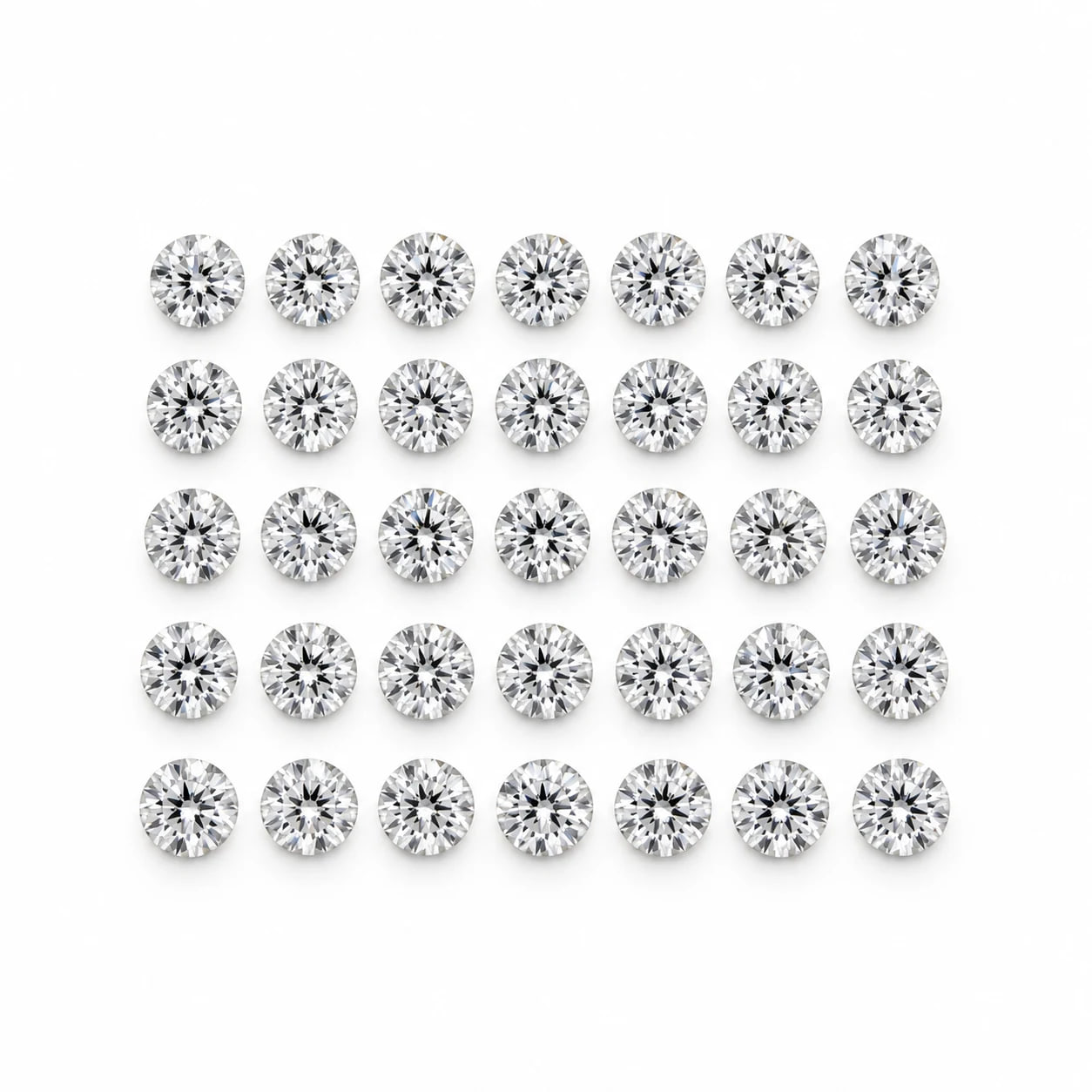
Lab-Grown Melee Diamonds / SOURCING ON REQUEST
Calibrated small round diamonds for pavé, halos and repeat production, specified by size range and parcel requirements.
Explore Product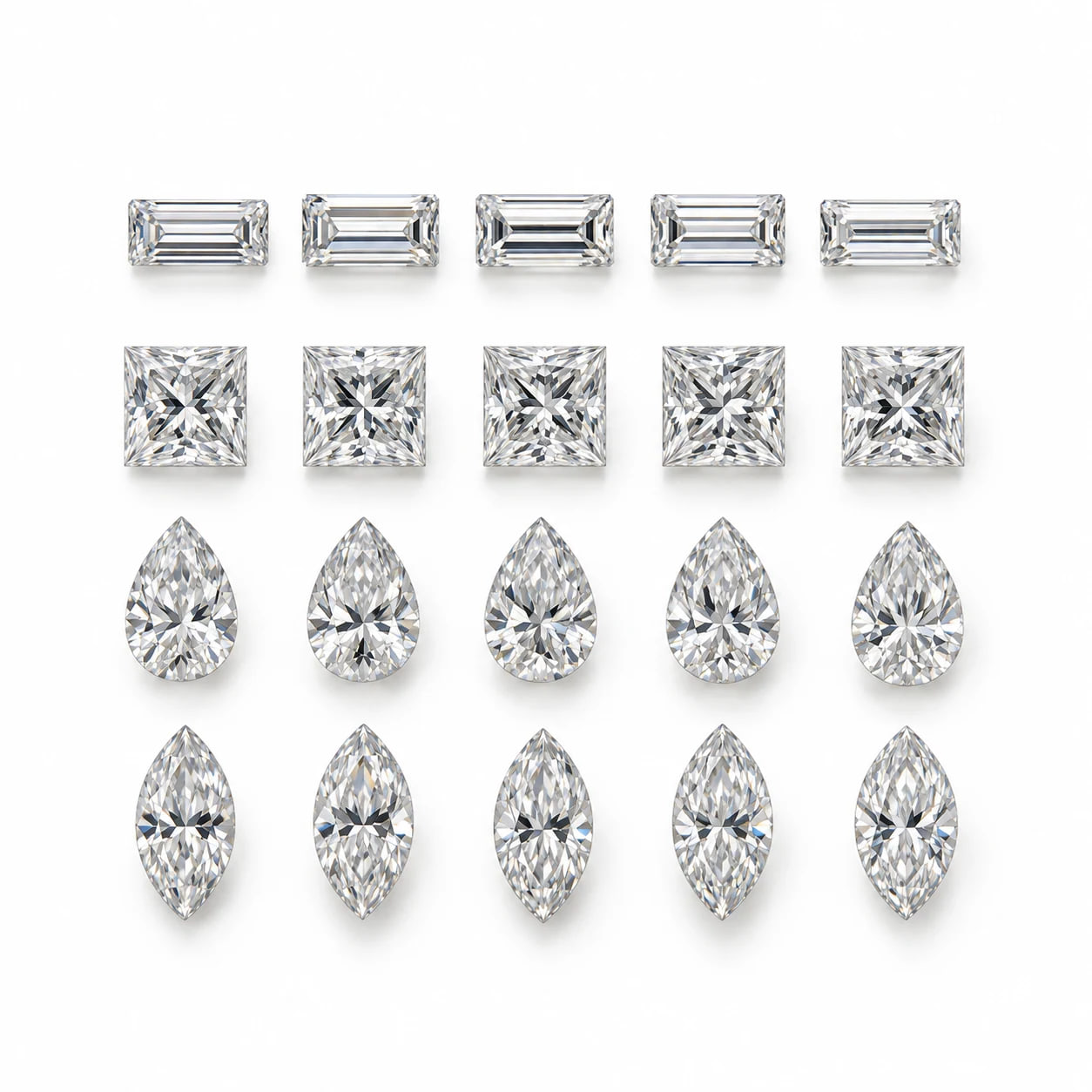
Lab-Grown Melee Diamonds / SOURCING ON REQUEST
Small princess, marquise, pear and baguette diamonds, sourced against the dimensions and orientation of your design.
Explore Product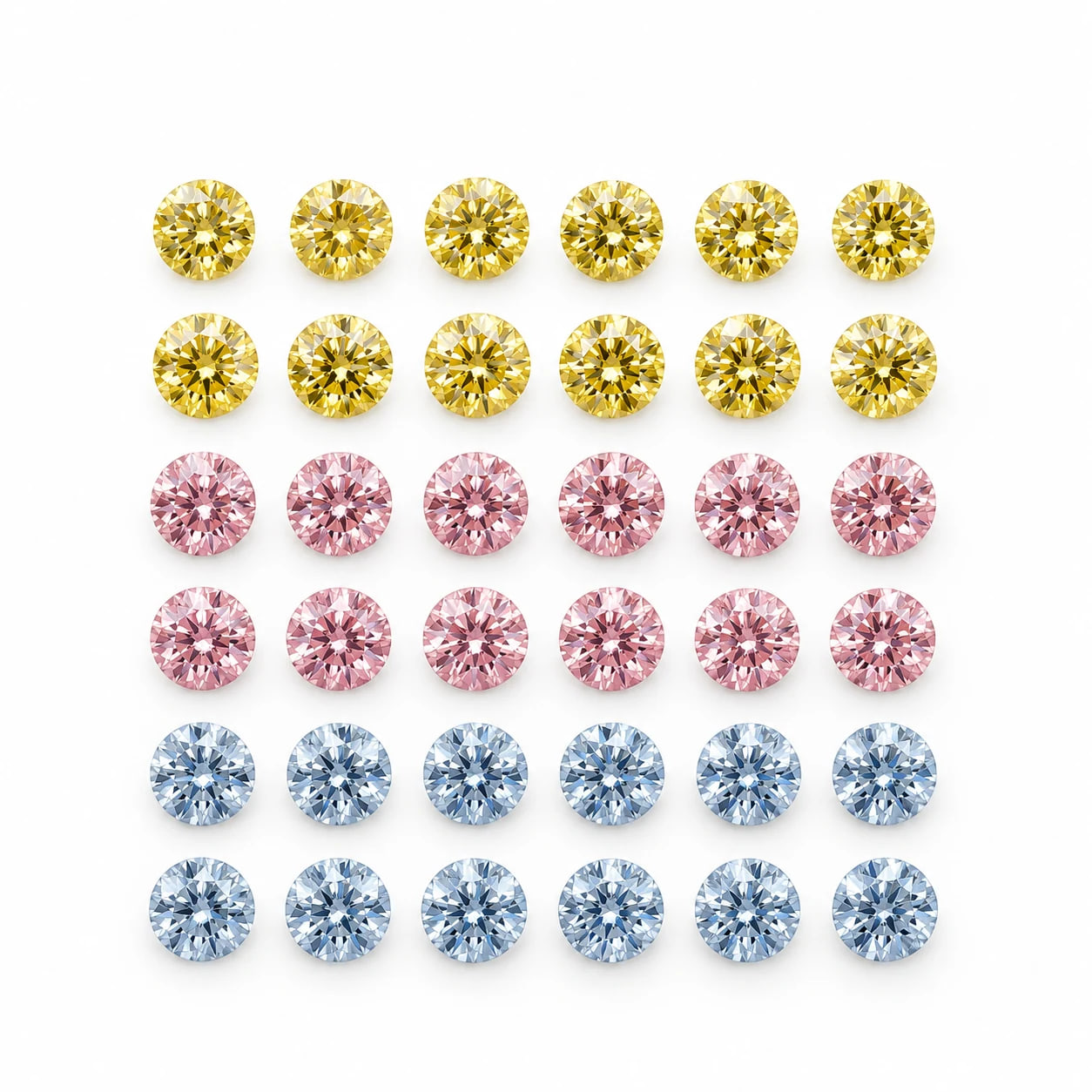
Lab-Grown Melee Diamonds / SOURCING ON REQUEST
Small colored diamonds for pavé and accent work, with hue, size and batch consistency defined before sourcing.
Explore Product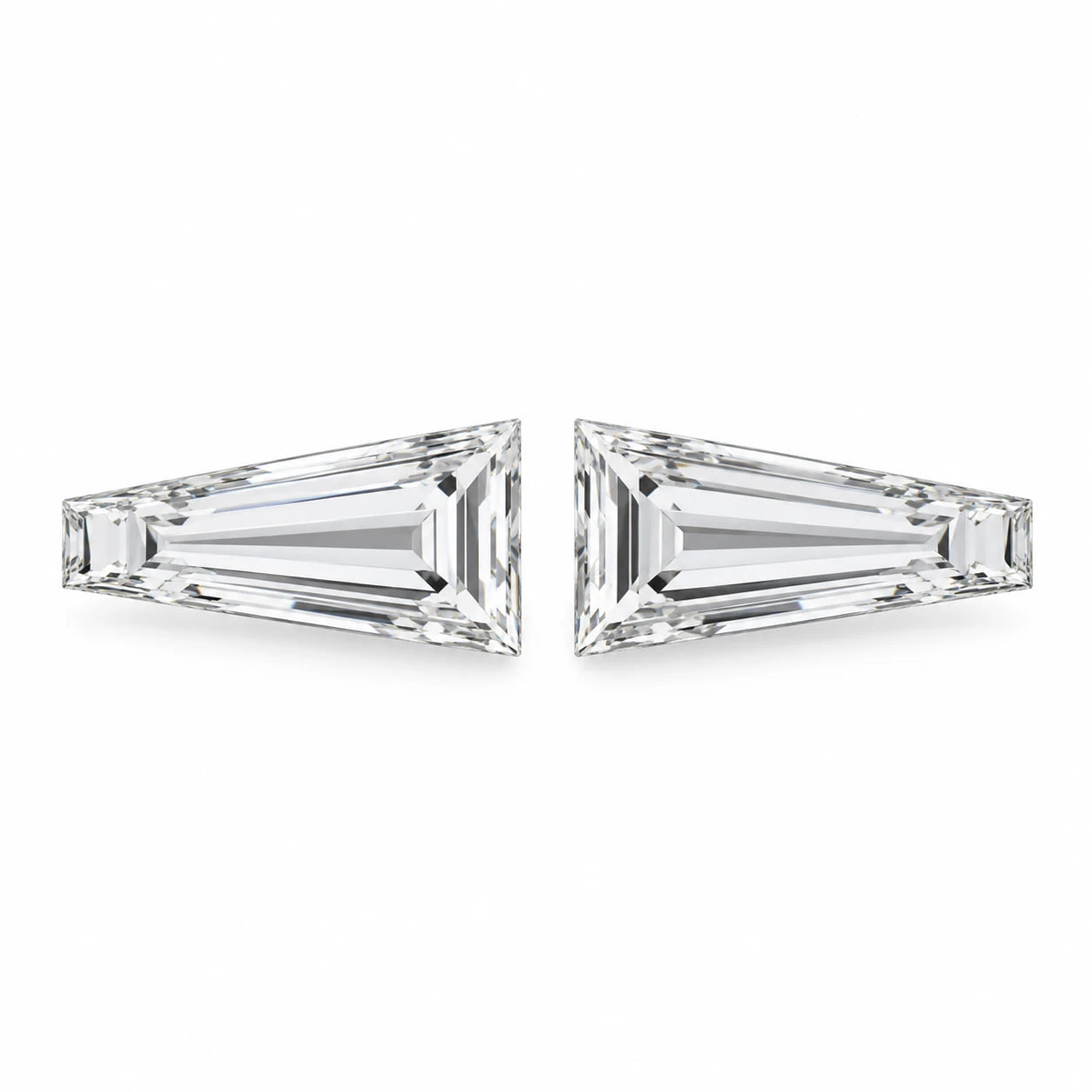
Lab-Grown Diamond Side Stones / SOURCING ON REQUEST
Slender step-cut side stones, tapered and paired to frame a center stone with clear geometric balance.
Explore Product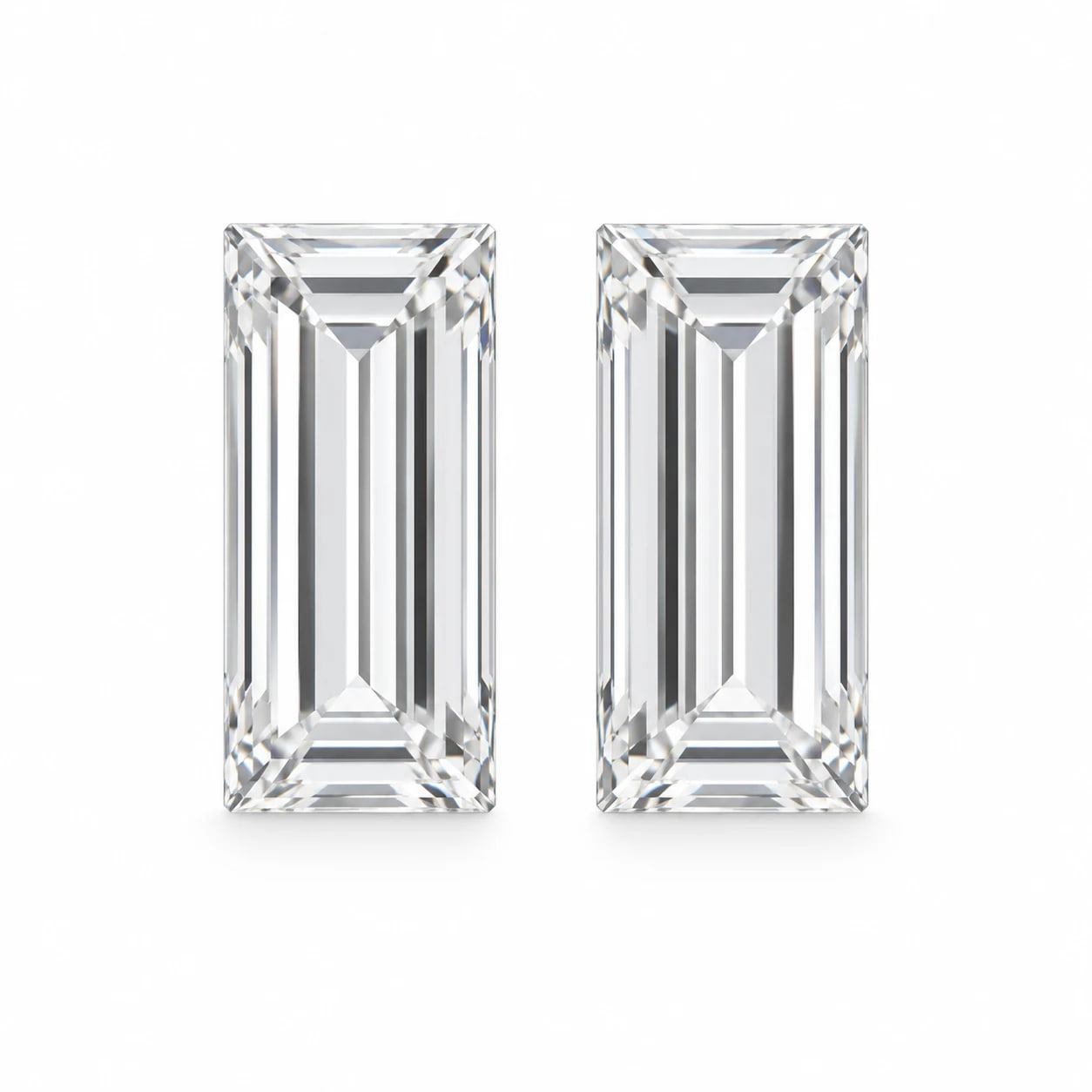
Lab-Grown Diamond Side Stones / SOURCING ON REQUEST
Clean rectangular step-cut diamonds for linear accents, channel layouts and precisely specified side-stone pairs.
Explore Product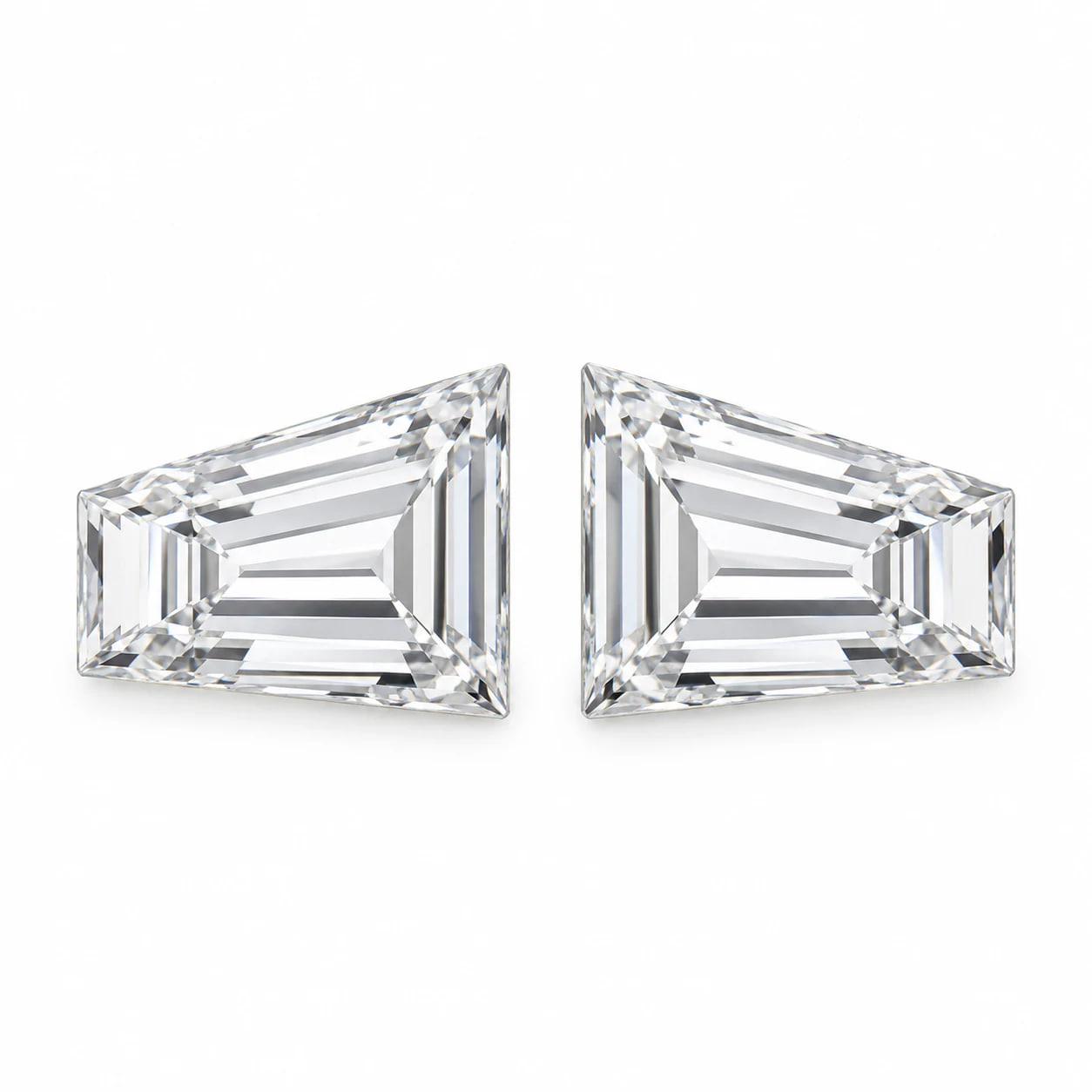
Lab-Grown Diamond Side Stones / SOURCING ON REQUEST
Broad geometric side stones for three-stone designs, sourced from an explicit outline and paired-layout reference.
Explore Product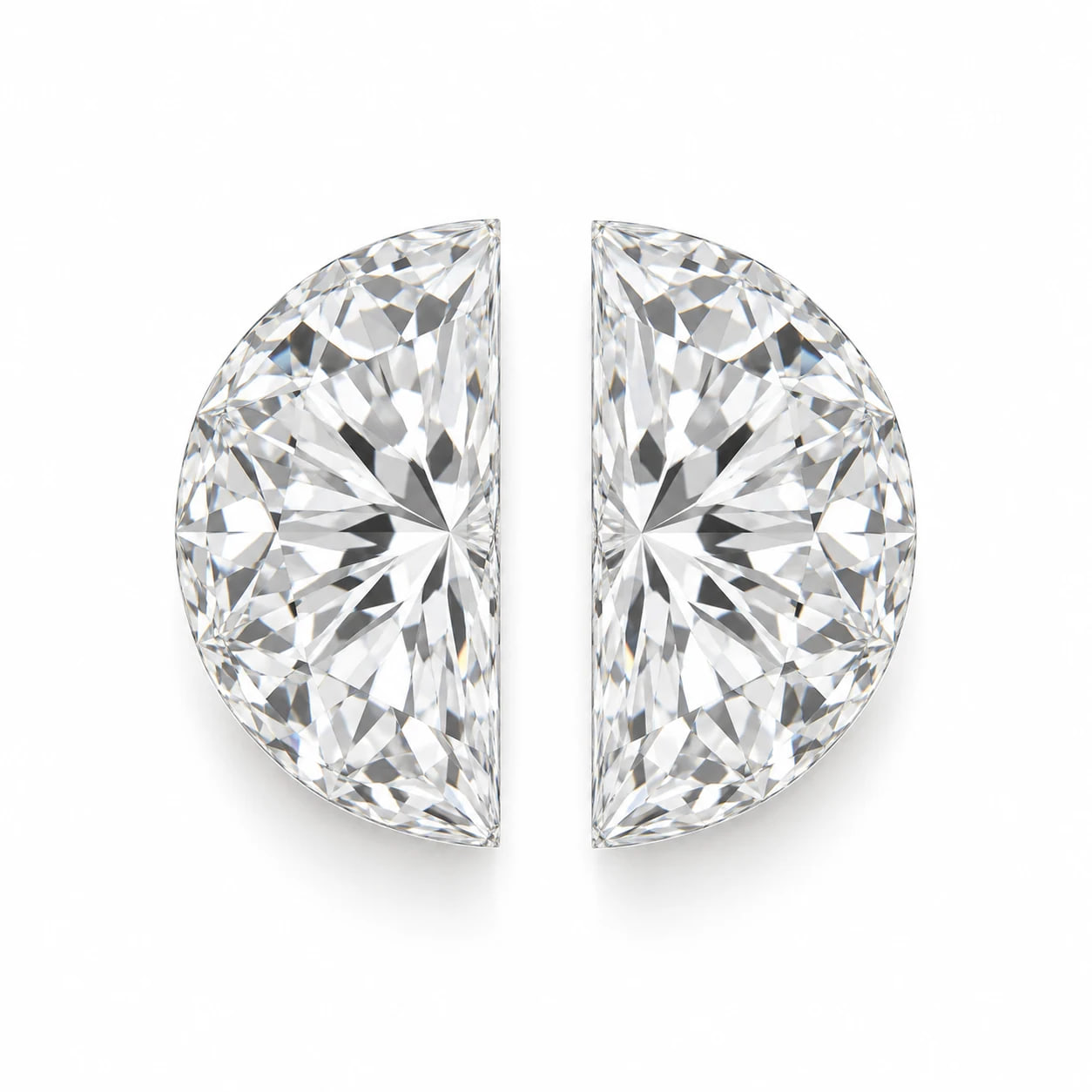
Lab-Grown Diamond Side Stones / SOURCING ON REQUEST
Mirrored D-shaped side diamonds, selected around the center outline and the curvature of your finished design.
Explore Product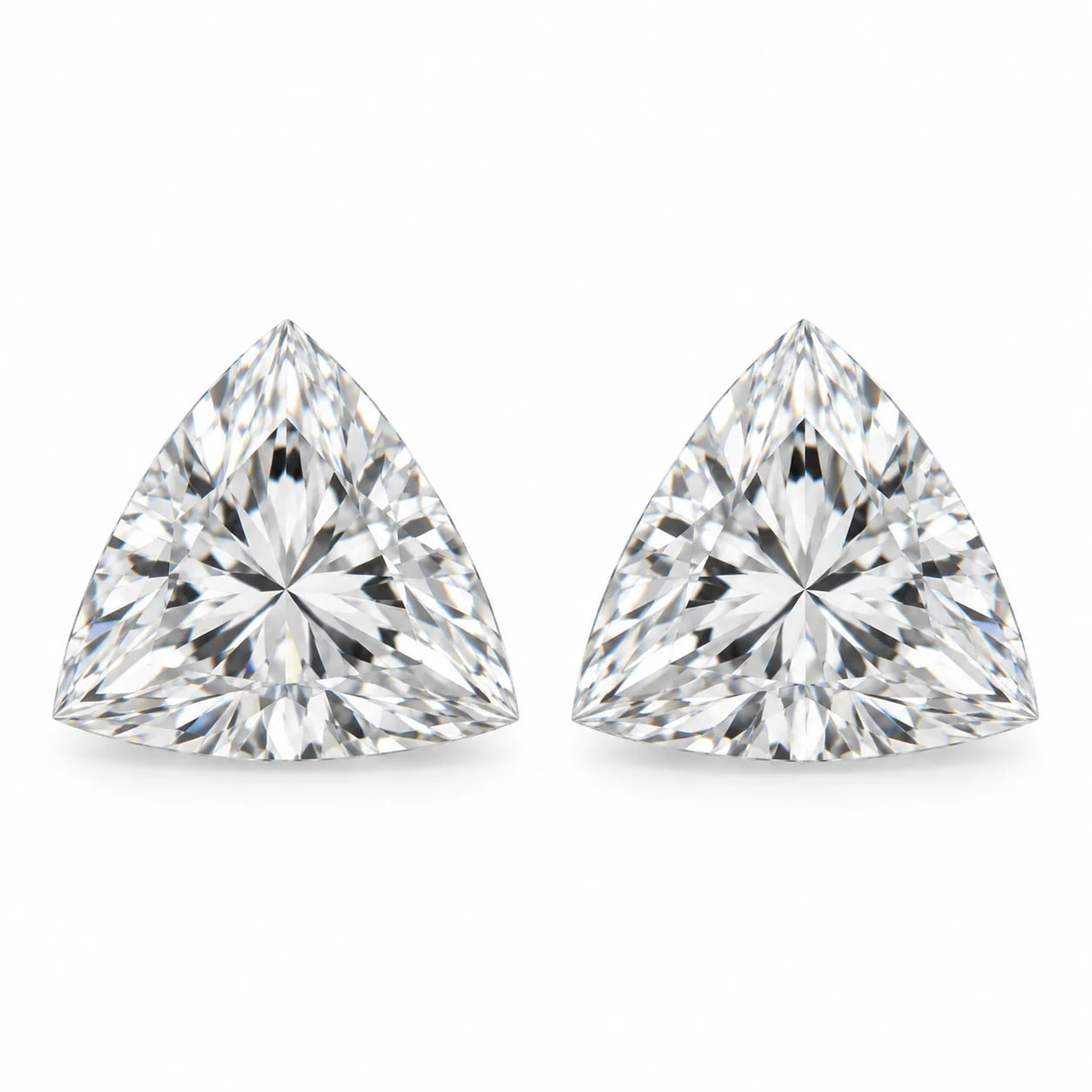
Lab-Grown Diamond Side Stones / SOURCING ON REQUEST
Triangular brilliant-style side stones for deliberate center framing, with edge shape and tip placement defined by your drawing.
Explore Product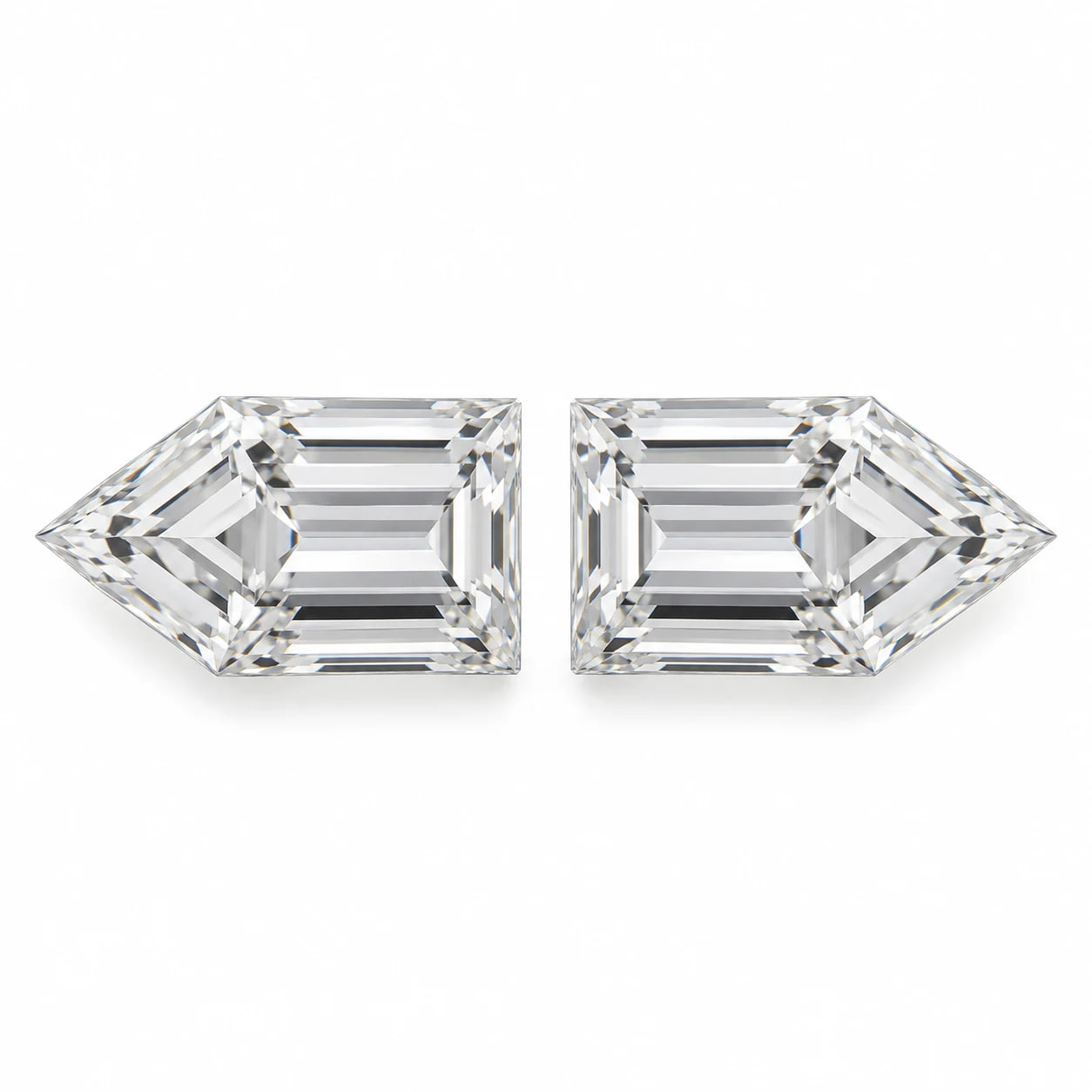
Lab-Grown Diamond Side Stones / SOURCING ON REQUEST
Elongated five-sided diamond accents, with a flat base and pointed end matched to the architecture of your setting.
Explore Product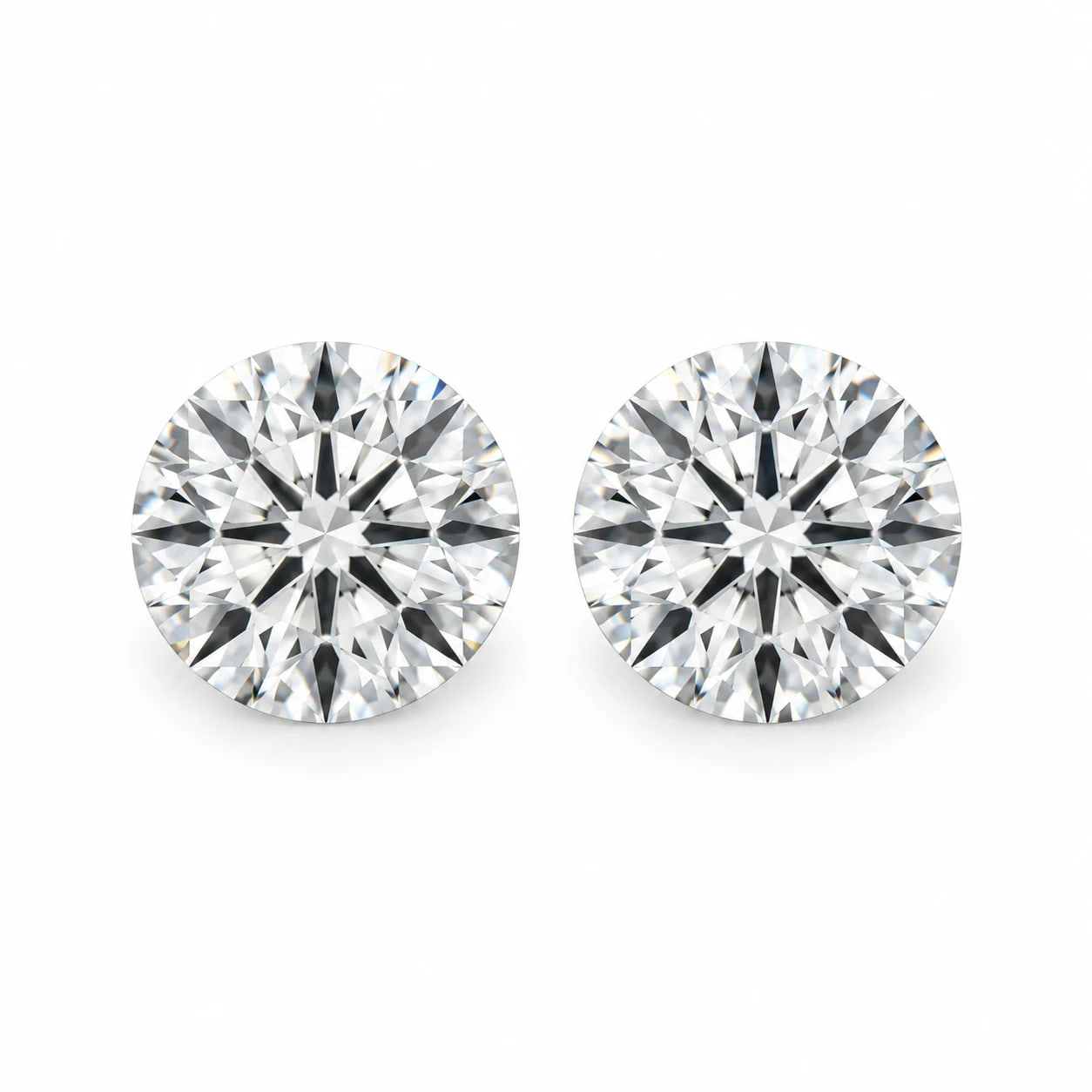
Matched Lab-Grown Diamonds / SOURCING ON REQUEST
Two round loose diamonds reviewed together for earring programs, custom pairs and clearly defined repeat orders.
Explore Product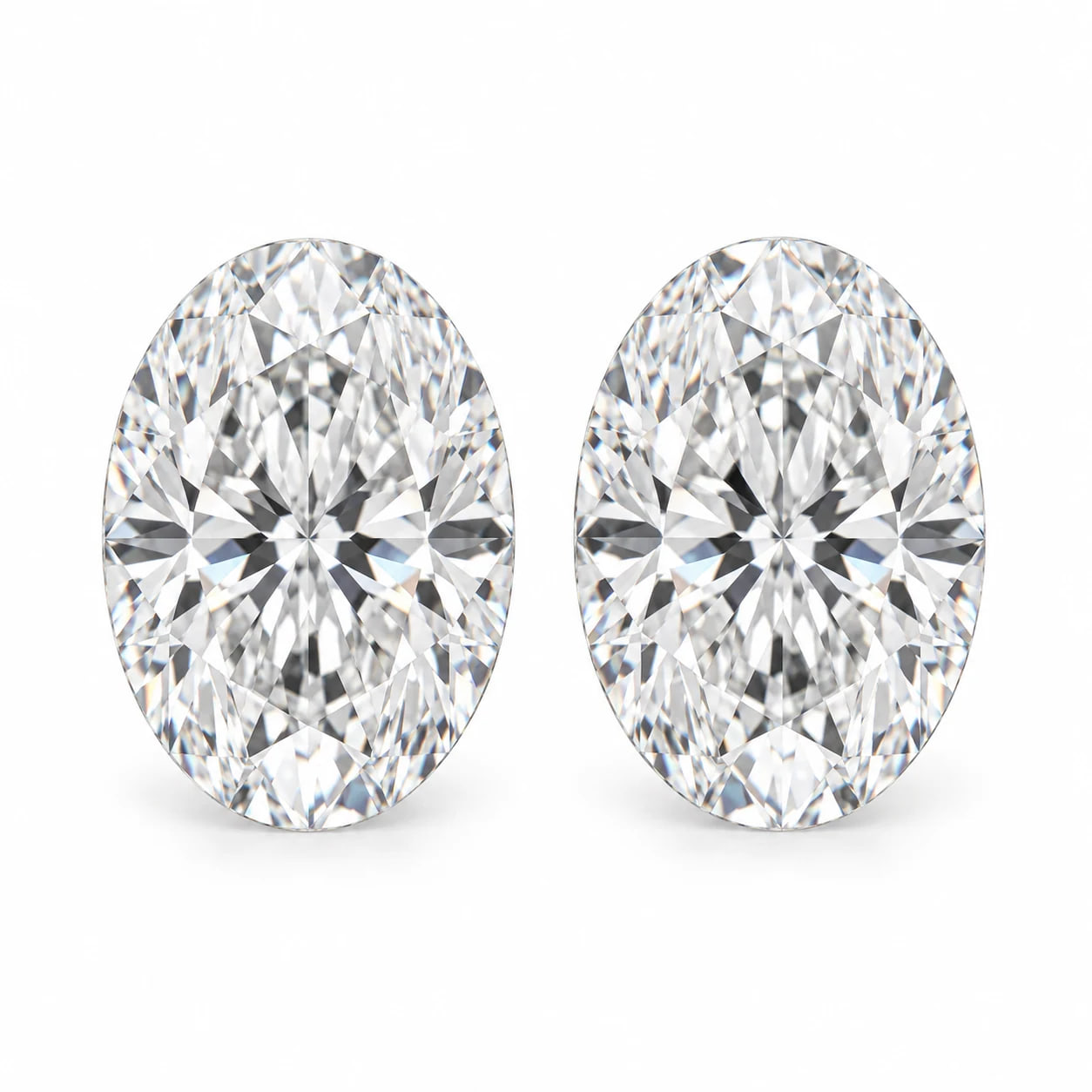
Matched Lab-Grown Diamonds / SOURCING ON REQUEST
Oval, pear and other same-shape loose diamond pairs, selected around outline consistency and your finished-design requirements.
Explore Product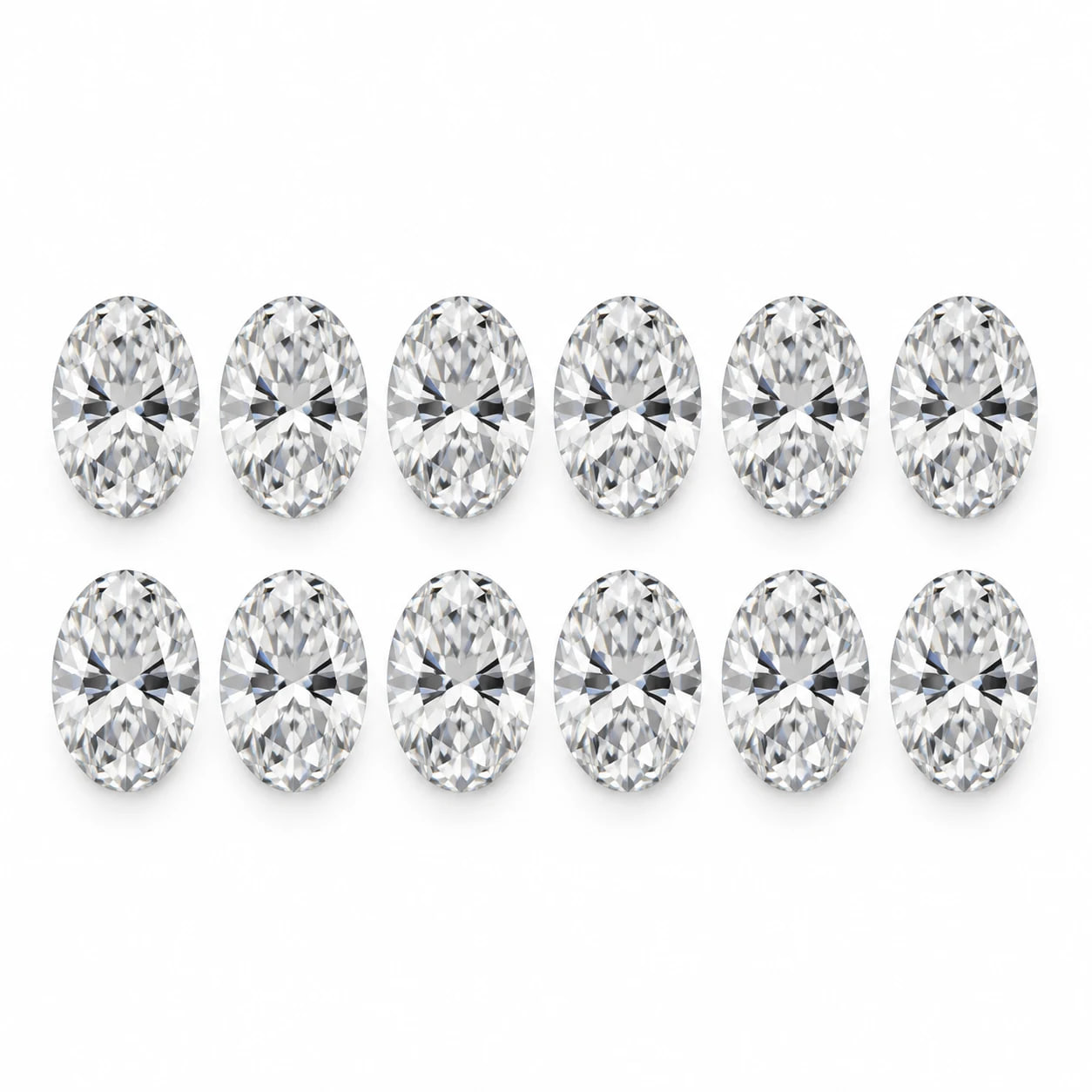
Matched Lab-Grown Diamonds / SOURCING ON REQUEST
Counted same-size groups for collection layouts and repeat settings, built around agreed dimensions rather than nominal weight alone.
Explore Product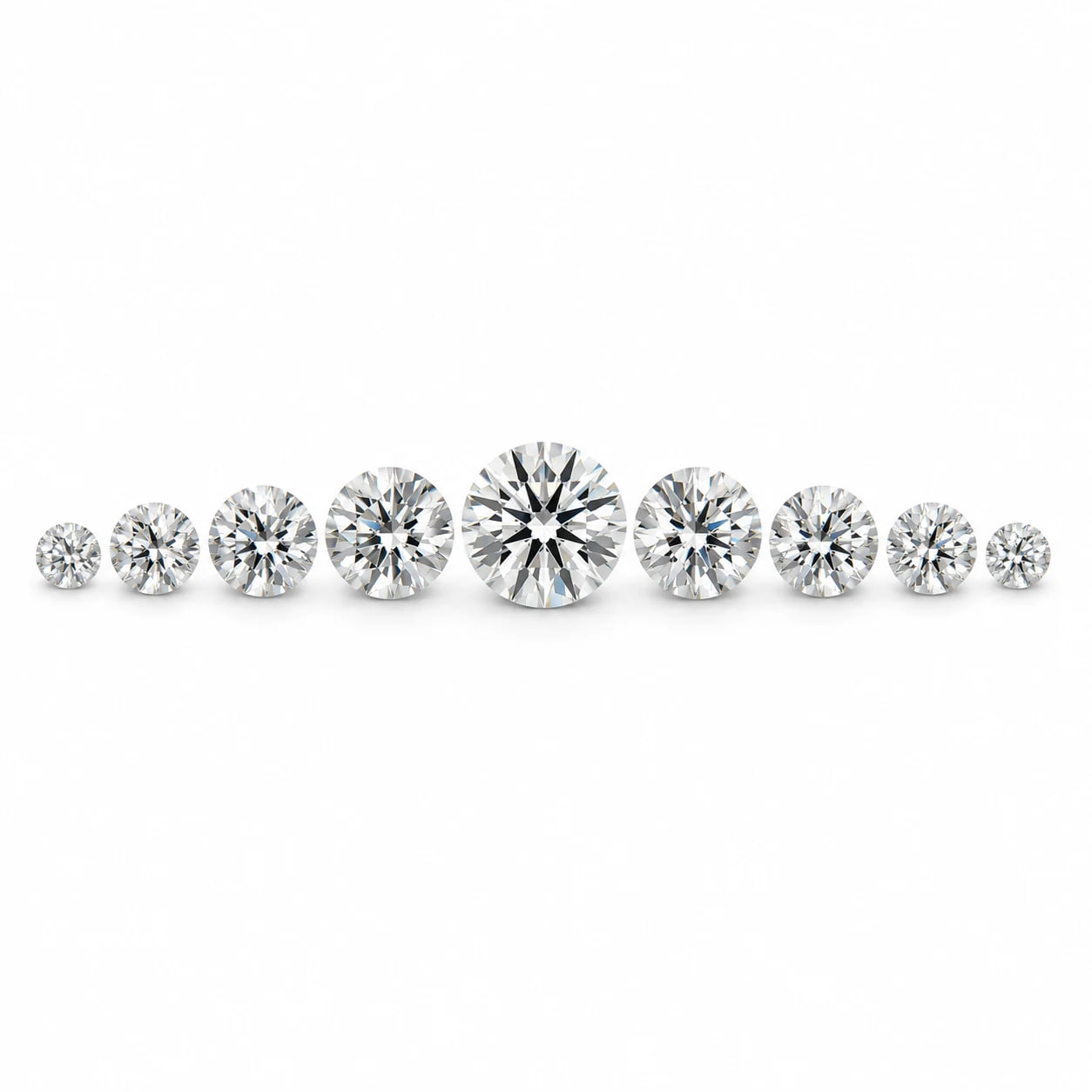
Matched Lab-Grown Diamonds / SOURCING ON REQUEST
Drawing-led sets with a deliberate size progression, supplied against a numbered design and an agreed approval sequence.
Explore Product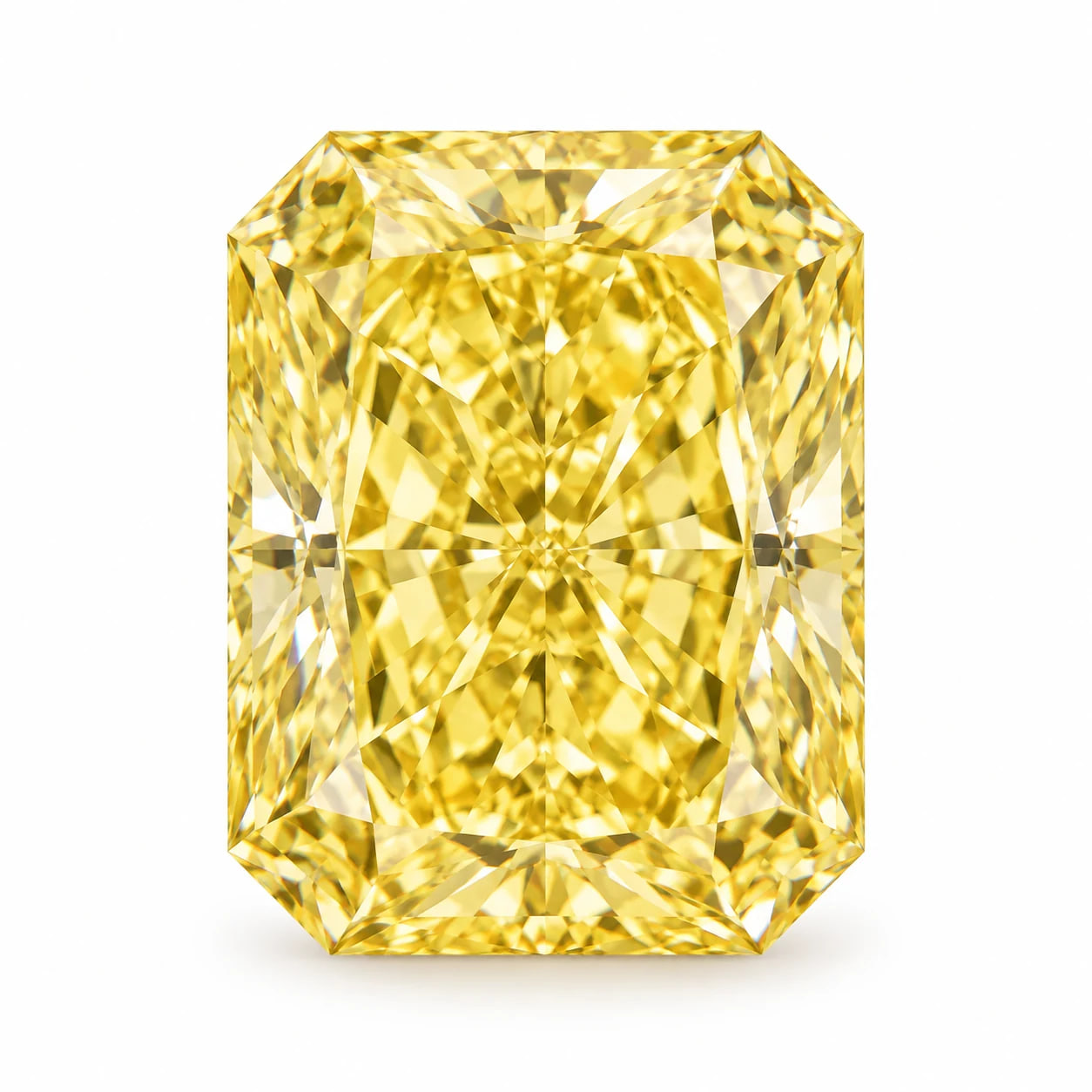
Fancy Color Lab-Grown Diamonds / SOURCING ON REQUEST
Yellow loose diamonds for design-led rings and pendants, with color appearance and supporting information reviewed stone by stone.
Explore Product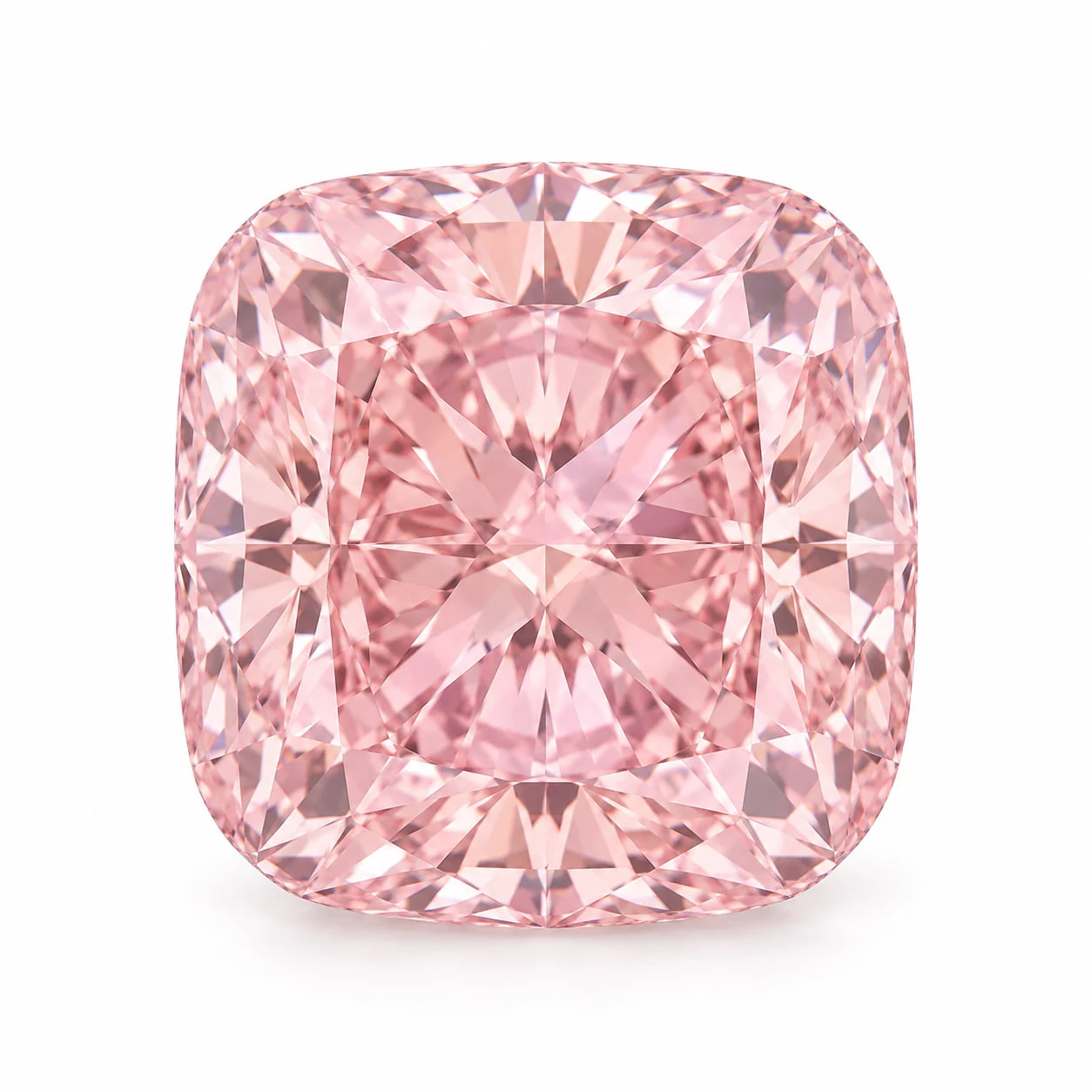
Fancy Color Lab-Grown Diamonds / SOURCING ON REQUEST
Pink loose diamonds for bespoke color designs, with the actual hue, outline and supporting documentation reviewed before selection.
Explore Product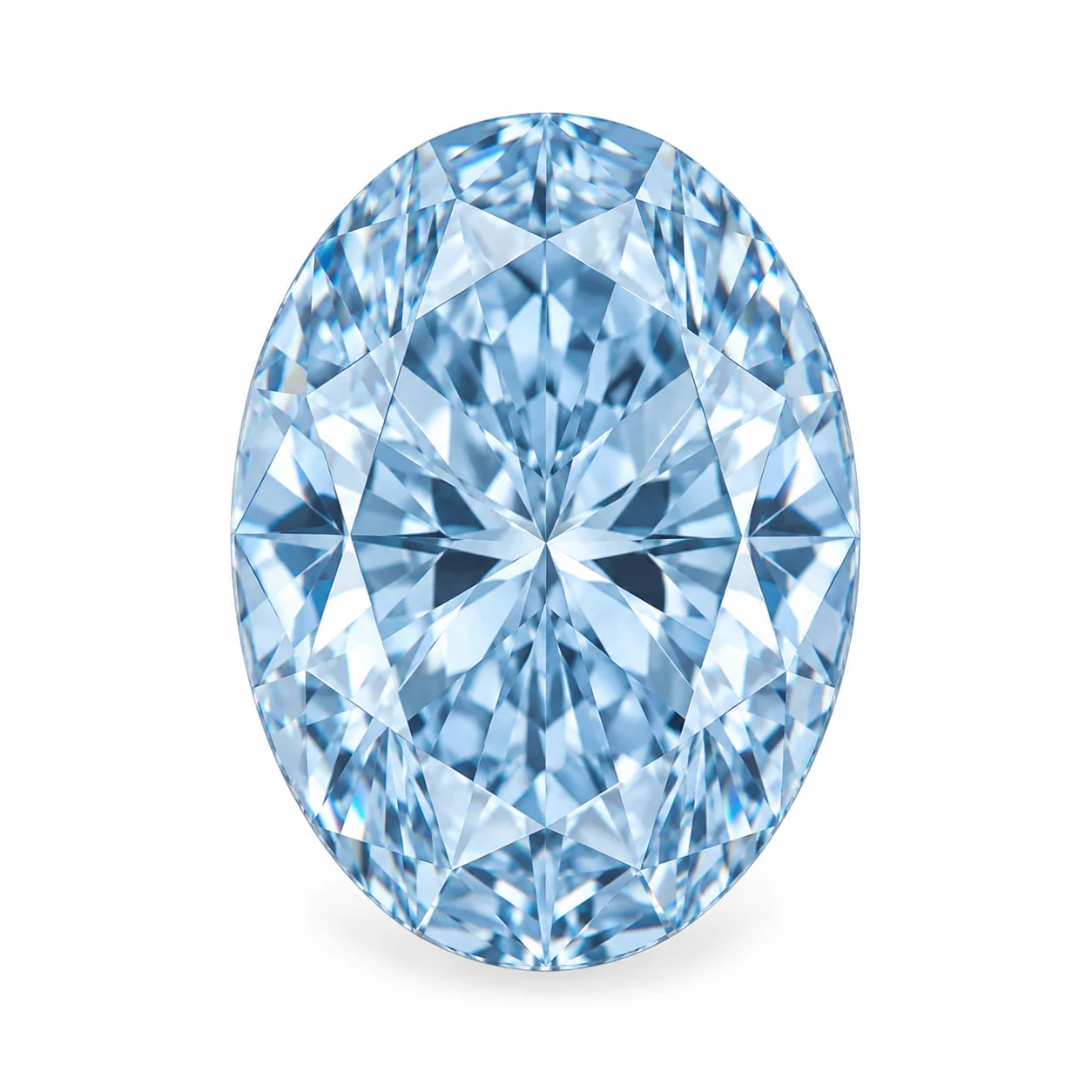
Fancy Color Lab-Grown Diamonds / SOURCING ON REQUEST
Blue loose diamonds for distinctive rings and pendants, evaluated through actual color, dimensions and disclosed stone information.
Explore Product