 English
 Español
 Português
 Deutsch
 Français
 Italiano
 Nederlands
 العربية
 日本語
 한국어
 ไทย
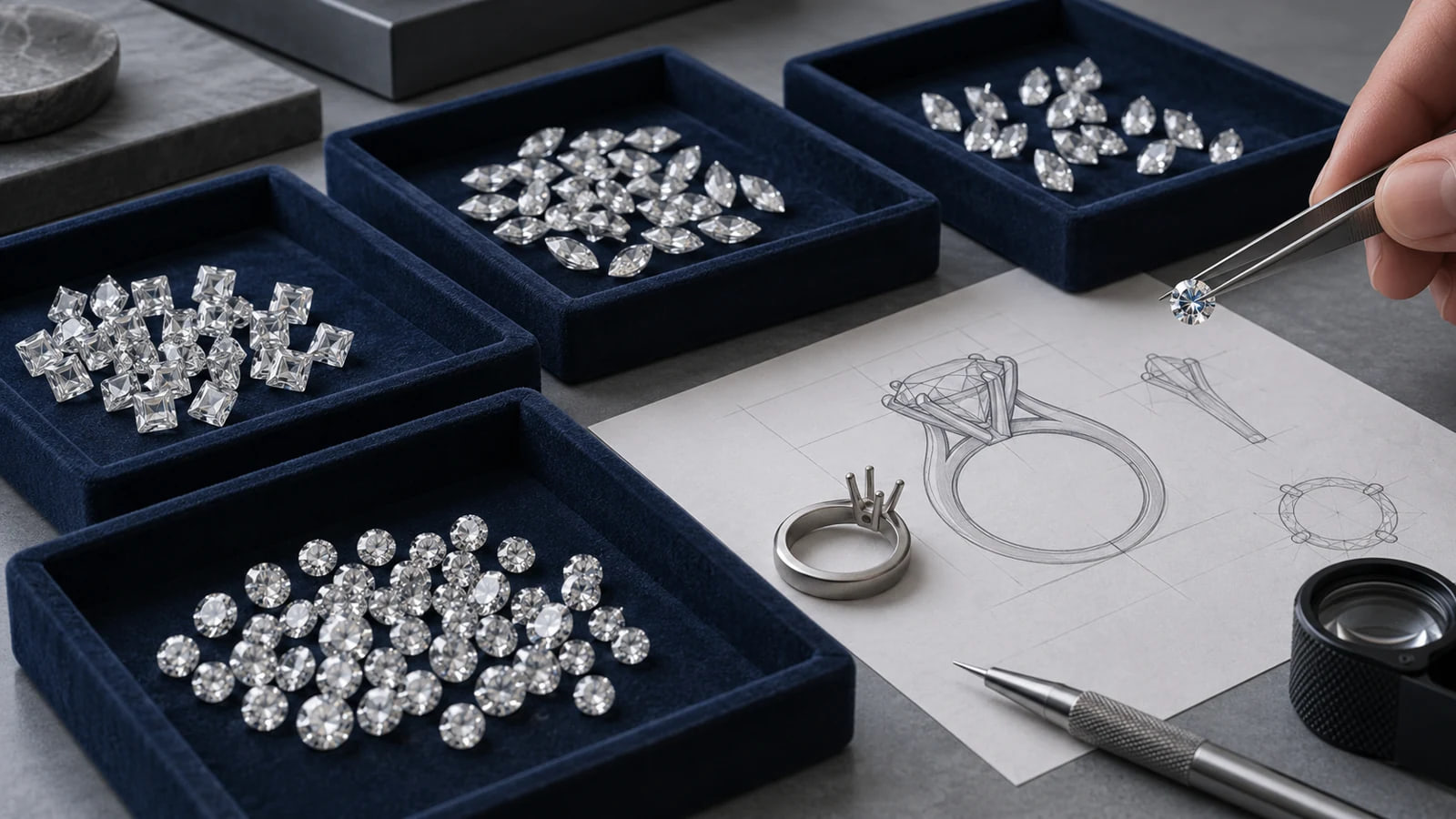
YOUR PARTNERSHIP OPPORTUNITY
The MEITUO Partnership, in Brief
We support jewelry manufacturers with lab-grown diamond sourcing, competitive source-side supply-chain pricing, low-MOQ development selections and coordinated repeat purchasing. Our service helps you connect product-line economics with the assortment your customers need, from loose diamonds for signature designs to coordinated selections for broader jewelry programs. We also provide online product materials, packaging, logistics coordination and brand customization where they support your commercial offer. You retain your design, production and customer relationships; we organize supply resources around the collection and purchasing priorities that make those activities commercially useful.
01Lab-Grown Diamonds Create Product-Line Opportunities for Jewelry Manufacturers
Jewelry manufacturers have a different opportunity from a retailer adding a few new listings. Your decision influences how customers build collections, price finished jewelry and return for the next program. McKinsey's 2026 research links jewelry with self-expression and self-gifting. [1] For your business, that suggests looking beyond a single bridal design and considering how lab-grown diamonds can serve several recognizable product roles. A well-planned pendant family, an everyday earring line or a distinctive centerpiece collection can give customers a reason to discuss a new program with you rather than simply request another component price.
We help connect that commercial discussion with the diamond supply behind it. Our coordinated sourcing gives you access to relevant selections without requiring every development idea to begin with a large purchasing commitment. You can explore a product direction, understand its cost structure and present a more coherent proposition to customers. The useful question is which collection makes your capabilities more valuable to those customers. Product development works better when the diamond selection supports that answer, rather than leaving the sales team to invent a reason for an assortment chosen only because it was available.
An opportunity becomes more durable when the first project can lead to related work. Consider which elements should repeat across a line and which changes allow your customer to offer a meaningful variation. We support purchasing around that product architecture, helping you discuss development selections and subsequent supply within one commercial relationship. Your objective is not merely to introduce lab-grown diamonds into a design; it is to create a finished jewelry proposition customers can understand, price and order again. That gives sourcing efficiency a role in strengthening your business relationships rather than only reducing an isolated input cost.
02Build Lab-Grown Diamond Jewelry Programs Around Your Customers' Selling Needs
Your customers may be brands seeking a recognizable collection, wholesalers assembling a retailer offer or merchants developing a new price position. Each expects a different kind of value from a manufacturing partner. A brand may care most about a visual identity that can extend across designs. A wholesaler may need a product family that its sales team can explain quickly. A retailer may want a clearer progression between an accessible purchase and a more substantial item. We help you align diamond selection with those commercial needs so the component decision supports the way the finished jewelry will be sold.
This begins with product roles rather than an unlimited list of options. A hero item should earn attention and express the collection, while complementary pieces create more ways for the same customer to participate. Diamonds used across those pieces should reinforce the intended visual relationship. We support sourcing discussions around that structure and provide relevant product information for your customer presentation. Your team can then explain why the line belongs together, where the value sits and how the next design extends an existing story instead of creating a completely separate selling challenge for the customer.
That clarity can support a stronger commercial conversation than price alone. A customer deciding between programs needs to understand the product appeal, intended shopper and practical route to repeat supply. We help you bring the sourcing and presentation elements together while your business contributes design, manufacturing capability and knowledge of its own clients. Any additional value should be earned through that complete proposition. A finished jewelry line does not gain an automatic premium simply because it contains lab-grown diamonds; the collection, customer fit and dependable service must provide reasons to choose it. Use those reasons to guide your next development discussion.
03Reduce the Purchasing Pressure That Slows New Jewelry Development
Development can tie up money long before a customer commits to repeat orders. A manufacturer may explore several styles, sizes and price positions while only a few eventually become meaningful business. If every early choice requires a broad component purchase, the cost of learning can discourage useful experimentation. Our low-MOQ selection supports a more deliberate development process: choose the options most relevant to a real customer opportunity and build evidence around a focused line. The objective is to make new product work commercially manageable while preserving enough choice to create something your customer wants to buy.
Price pressure adds a second challenge. A lower selling price can win a program but leave too little room for the work required to serve it. We provide competitive source-side pricing through supplier integration and coordination, helping you understand the diamond input within the finished product economics. Your team should still account for metal, manufacturing labor, finishing, packaging, selling and overhead. A favorable diamond price is useful when it strengthens a viable program, not when it conceals weak pricing elsewhere or encourages a larger commitment before the customer proposition has earned it.
Fragmented supply conversations also consume commercial attention. When development, purchasing and sales work from different assumptions, a promising collection can become difficult to present consistently. We organize the relevant product and purchasing information around your program so the next customer discussion has a clearer foundation. Use that structure to distinguish a development cost from a repeat supply decision and a potential range from an actual commitment. Your team can then focus on the products most likely to strengthen customer relationships, rather than maintaining too many disconnected trials that absorb time without improving the offer. Keep development resources attached to specific commercial opportunities.
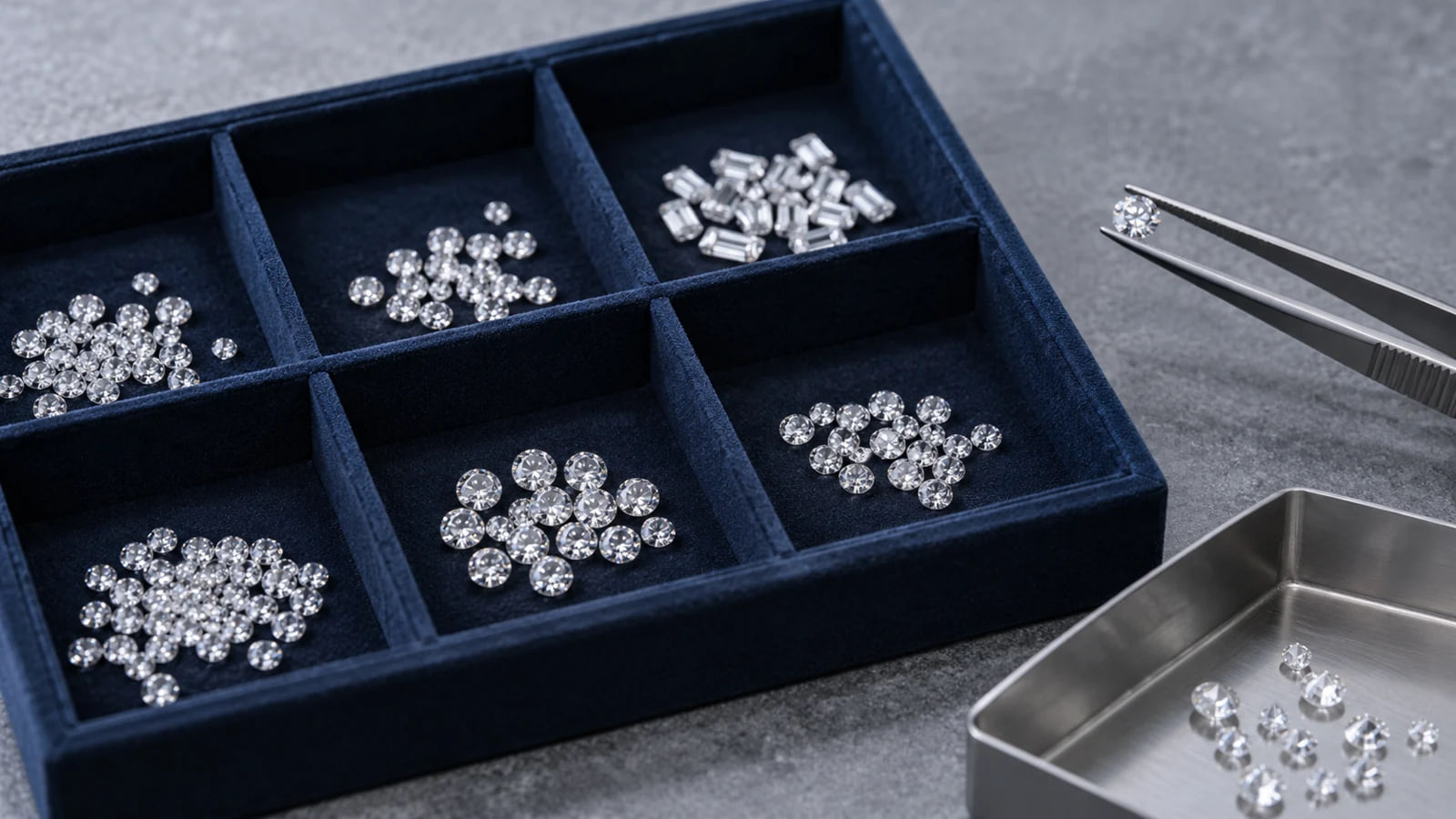
04Choose a Lab-Grown Diamond Program That Fits Your Manufacturing Customers
A dedicated collection and a customer-led component program can both create useful business, but they place your resources in different areas. A collection allows you to present a coherent proposition and invite customers to buy into it. A component program gives a customer more freedom to apply selected diamonds to its own product architecture. We help with sourcing and purchasing support for either route. The decision should follow how your customers normally choose, how much design direction they expect from you and where your business can make its strongest contribution to the relationship.
For a collection, identify a small group of designs that makes the commercial idea visible. Too many variations can dilute the story and increase development spending before you know which options matter. For a customer-led program, define the recurring product needs that make supply coordination valuable. You may find that a shared core selection supports several customer designs while a narrower group of special pieces adds distinction. Our low-MOQ approach helps you explore that balance without treating every possible application as a reason to create a separate purchasing program at the outset.
These approaches can also work together over time. A successful collection can reveal repeat component demand, while recurring customer requests can identify a useful new collection theme. We support the sourcing relationship as your program develops, helping you organize relevant additions instead of simply accumulating options. Present the comparison to your commercial team in terms of who provides design direction, what the customer is buying and where repeat business may come from. That keeps the program attached to a practical sales proposition and makes expansion a choice about customer value. It also gives your purchasing decisions a more useful rhythm than reacting to every isolated inquiry.
| Customer need | Useful product program | Commercial role for our support |
|---|---|---|
| A coherent branded range | Coordinated pendant and earring family | Relevant selection and presentation information |
| A new retail price position | Focused lab-grown diamond line | Source-side pricing and development quantities |
| Recurring component demand | Shared core diamond selection | Purchasing coordination and repeat supply |
| A distinctive special collection | Selected centerpiece designs | Targeted sourcing and product materials |
Collection-led vs customer-led diamond programs
| Decision | Your collection-led offer | A customer-led component program |
|---|---|---|
| Main proposition | A finished design family customers can select | Relevant diamonds for the customer's designs |
| Development focus | A recognizable visual and price architecture | Recurring customer product requirements |
| Commercial benefit | A coherent story for account development | A flexible route to established account needs |
| Purchasing rhythm | A selected development range followed by repeat demand | Supply organized around customer programs |
Neither approach needs to exclude the other. Use a collection to express your design strengths and a coordinated component program to serve recurring customer needs. We support the sourcing and purchasing behind both, helping your team choose the route that makes its customer relationships more valuable rather than allowing the supply method to dictate the entire offer.
05Our Lab-Grown Diamond Sourcing Supports Competitive Jewelry Line Economics
We organize supply resources around your product requirements and purchasing priorities. Competitive source-side pricing comes from that coordination: the selection is relevant, the supply relationship is connected and the commercial discussion is based on the program you intend to build. This gives you a more useful starting point for finished jewelry pricing than a disconnected collection of quotations. Your team can evaluate the diamond contribution alongside the rest of the product cost and decide where the available room should support customer value, commercial flexibility or investment in a more distinctive line.
Our low-MOQ selection is particularly useful before a development program becomes established. You can discuss a focused group of diamonds for a new design family, then use customer response to shape the next purchasing decision. As the product line develops, we support repeat supply and relevant additions through the same coordinated relationship. That continuity helps your commercial team discuss the future of a program without rebuilding the sourcing conversation around every new variation. It is a practical way to connect experimentation with ongoing business rather than allowing trials and repeat orders to become unrelated activities.
Supply efficiency should serve your customer promise. If a source-side price advantage allows a better assortment or more accessible entry product, consider how that change will help your customer sell the finished line. If the advantage creates contribution room, decide how much is needed for development, account service and the next release. We help you understand the sourcing side; your business chooses how it supports its market position. This is where a coordinated supply partnership becomes more valuable than an isolated transaction: it helps the diamond input fit a product strategy your team can sustain and explain. Keep those strategic uses visible during price discussions.
06Give Your Lab-Grown Diamond Jewelry Line a Clearer Commercial Presentation
A technically viable jewelry line still needs a clear reason for a customer to choose it. We support online product materials, including images, video, specification copy and collection presentation resources. For manufacturers, these materials can help sales teams explain the diamond selection and connect it with the finished collection. The goal is to give your customer a useful view of the offer, not to replace your design story with generic supplier language. Your own product development, manufacturing strengths and customer insight should remain central to how the program is presented.
Consider the different conversations a presentation needs to support. A brand owner may need to understand the visual character of the collection, while a buyer may focus on product roles and a sales team may need simpler ways to introduce the range. We help organize relevant product information so those conversations share a coherent foundation. Your team can then tailor the message to each account rather than repeatedly assembling the same material from disconnected sources. That can make a smaller product program easier to present professionally and allow a new line to receive the attention its development deserves.
We also support packaging and brand customization where they strengthen your customer offer. A manufacturing business may use these services to present a finished program more coherently or to support customers developing their own brand experience. Start with the impression the customer wants the final buyer to have, then connect the product materials and presentation to it. We help with those supporting resources while your business leads the account relationship. A more complete offer can make your partnership easier to understand, but its value comes from relevant products and coordinated service rather than assuming that polished materials alone will generate orders.
07Coordinate Product Quality and Delivery Around the Promise Your Line Makes
Quality coordination has a commercial purpose: the product needs to support the finished jewelry proposition your customer has bought into. We connect relevant product requirements and information with the sourcing relationship, helping you organize the diamond side of the program. Your own manufacturing process and customer service then build on a clearer supply foundation. Rather than treating quality as a separate administrative theme, connect it with what the collection is intended to deliver visually and commercially. A line positioned around a particular appearance or product experience needs supply choices that reinforce that promise.
Packaging and logistics also influence the usefulness of the sourcing relationship. We support coordination around the purchasing pattern and destinations of your program, so these activities can be considered alongside the product rather than after the commercial discussion has finished. Product-specific quantities, customization and schedules can be discussed as the program develops. Your team should use that understanding to present a realistic offer to customers and plan its own production resources. The benefit is a more connected working relationship between the diamond supply, your manufacturing activity and the account that ultimately relies on the finished product.
Established manufacturers often create value by making a customer's next decision easier. An organized program gives the account a clearer path from first collection to extension and repeat supply. We help you support that continuity with product information, sourcing coordination and relevant presentation services. Use the relationship to learn which recurring needs deserve a stronger place in your range and which requests are better handled as focused projects. That distinction protects your attention and keeps the broader program coherent. A dependable commercial offer grows from the way those activities work together, rather than from a promise that every future variation will follow the same pattern.
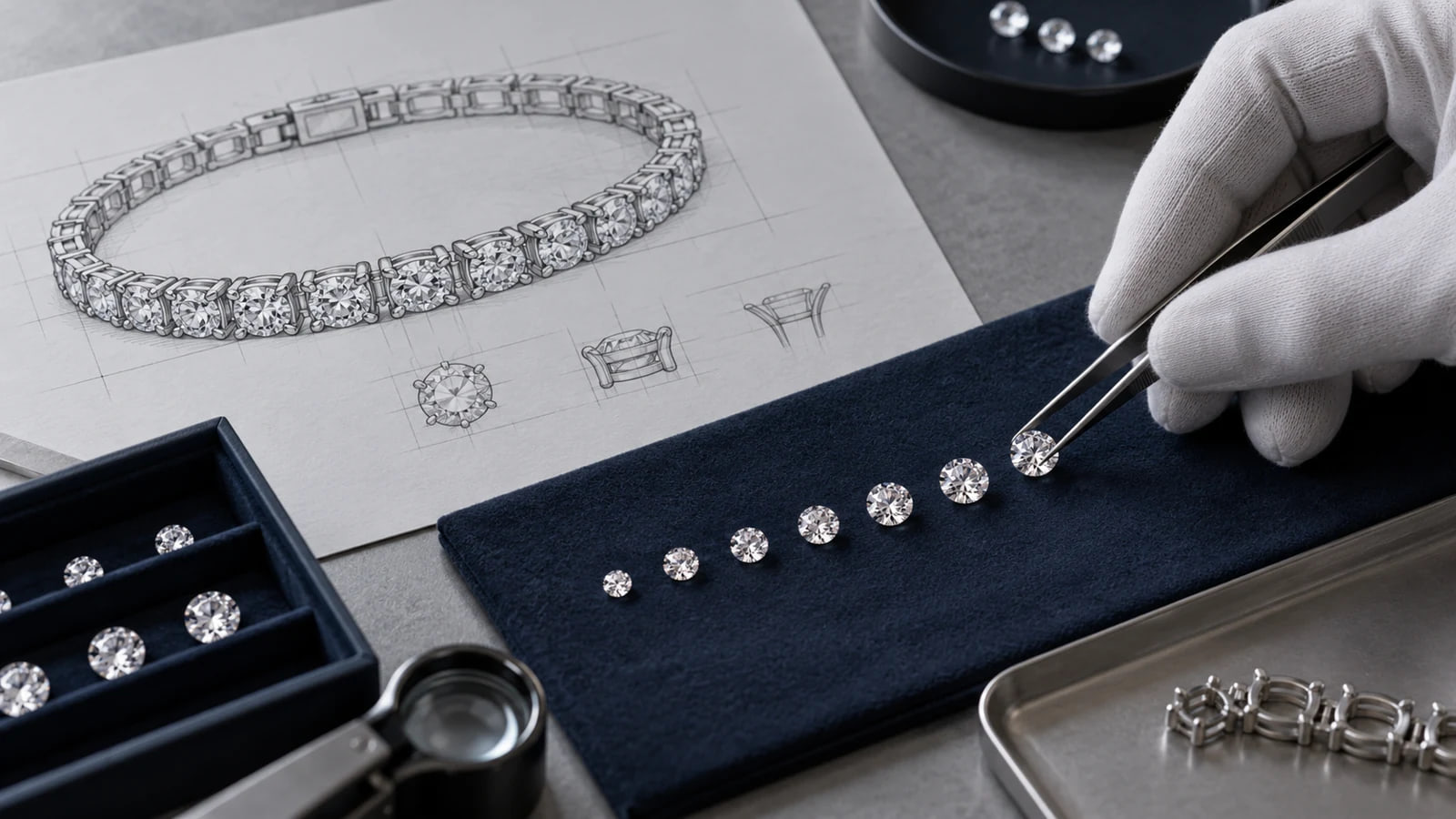
08Grow Your Lab-Grown Diamond Manufacturing Offer With Program Contribution in View
Start with a product line that addresses a specific customer opportunity and can be explained without a long catalog discussion. Identify its intended buyer, finished jewelry roles and the commercial reason for the customer to consider it. We support the relevant diamond selection, development purchasing and product materials behind that proposition. Before extending the range, ask whether the first program has produced useful customer conversations and whether the next variation adds a meaningful selling reason. A disciplined extension can make your offer stronger; a larger development list can simply increase cost while making the collection harder to explain.
Use the model here to explore the contribution of a hypothetical finished jewelry program. Sourcing represents your total assumed product cost, including the diamond and any manufacturing costs you choose to include. Marketing can represent allocated selling expense per piece rather than consumer advertising. Packaging, logistics and payment costs sit beside those amounts, while fixed spending can cover program development. The output is contribution after the listed assumptions, not net profit. This makes the exercise useful for discussing how a price decision or development expense affects the room available to serve the customer and invest in another release.
As a line develops, prioritize improvements that make repeat business more attractive. You may strengthen a shared diamond selection, create better customer presentation materials or develop a complementary design that gives an existing account another reason to order. We support those product and supply decisions within a coordinated relationship. Keep commercial learning attached to actual accounts: which product roles are useful, where buyers see value and which service activities help them move forward. That perspective allows source-side pricing and low-MOQ development to contribute to a stronger manufacturing offer, with the next investment guided by customer opportunity rather than expansion for its own sake.
This planning example treats each unit as a finished jewelry piece sold by your manufacturing business. Enter the actual cost structure relevant to the program: sourcing can include diamonds, metal, labor and other direct manufacturing amounts, while marketing can represent allocated selling expense. The remaining fields cover packaging, shipping, payment and fixed development spending. Defaults are hypothetical USD figures, not quotations for a diamond or finished item. Contribution means the remaining amount after these listed inputs, not net profit. General overhead, taxes, financing and any other unlisted costs stay outside the calculation. Use a consistent cost definition when comparing two product lines so the result supports a useful commercial discussion.
A higher piece count does not repair a program with negative unit contribution. First examine the relationship between the selling price and the full direct cost you included under sourcing. Then consider whether packaging, account service or development spending has been represented realistically. A positive result indicates room after the listed assumptions, but it does not prove demand or establish net profit. Use the model to compare the commercial consequences of a range extension, a selling price change or another development commitment. Connect the result with customer conversations and your own manufacturing economics before deciding how deeply to invest in the next program. Keep those assumptions visible to both sales and purchasing.
Build a Commercially Useful Supply Partnership With MEITUO
We support jewelry manufacturers through coordinated lab-grown diamond sourcing, competitive source-side pricing, low-MOQ development selection and repeat purchasing. Our role is to help the diamond input fit the product lines and customer relationships your business is developing. We connect relevant supply resources with your priorities so sourcing becomes part of a coherent commercial offer.
We also provide online product materials, packaging, logistics coordination and brand customization. These services can strengthen the way you present a new line and support its delivery. Bring us your customer opportunity, product direction and purchasing priorities; we help organize the product and service resources behind the program while your team leads design, manufacturing and account development.
Read Our Company ProfileTell us about the jewelry program you want to develop
Share your customer group, collection direction and intended finished product roles. Include your development stage, purchasing priorities, expected selling structure and the support that would help your team present the line. We can work with you on relevant diamond selection, low-MOQ development quantities, competitive source-side pricing, product materials and coordinated supply. The aim is a practical partnership around a commercial opportunity your business wants to pursue, with the product input and supporting services connected to that purpose.
Share the details you know. Product quantities and project scope can be confirmed in conversation.
Your Partnership Questions, Answered
How Can MEITUO Support a New Lab-Grown Diamond Jewelry Line?
We help with relevant diamond selection, low-MOQ development purchasing, competitive source-side pricing and the information needed to present the program. Start with the customer and finished product roles you intend to serve. That allows the sourcing discussion to support a coherent line rather than a broad list of components. We can then support repeat supply and relevant additions as the commercial direction becomes clearer.
Can I Explore a Collection Before Making a Broad Purchasing Commitment?
Yes. Our low-MOQ approach supports focused development selections, helping you explore a customer opportunity with more deliberate resource use. Choose the designs and product roles that best express the line before expanding its variations. We work with that direction and the purchasing priorities behind it. A smaller development range is most valuable when it produces a clearer offer and useful customer conversations, rather than simply postponing the product strategy.
How Does Supply-Chain Pricing Improve My Product-Line Economics?
We integrate and coordinate supply resources to support competitive source-side prices. Your business can use that efficiency within its finished jewelry cost structure and customer proposition. Include the full direct cost, selling expense and development investment when deciding how to price a program. A sourcing advantage can create commercial room, but your design, manufacturing efficiency and customer value determine how effectively that room supports the business.
Should I Offer a Finished Collection or a Component Program?
Choose the route that fits how your customers buy. A collection lets you present a recognizable design proposition; a component program supports customers who provide their own design architecture. Both can be useful within one manufacturing business. We support the sourcing behind either approach. Define the role of each clearly so your sales and purchasing teams understand what the customer is choosing and where repeat business may come from.
Can You Help Us Present the Diamond Selection to Customers?
We provide online product materials that can include images, video, specification copy and collection presentation support. These give your team useful resources for explaining the diamond selection and its role in the finished line. Combine them with your own design story and customer knowledge. The objective is a coherent commercial conversation, with relevant product information supporting your proposition rather than replacing it with generic supplier descriptions.
Do You Support Packaging and Brand Customization for Programs?
Yes. We support packaging and brand customization where they reinforce the collection and the customer experience you are developing. Explain whether you are presenting your own program or helping an account build its branded range. We connect those needs with the relevant product and service resources. Product-specific customization and purchasing details can then develop naturally around the line, keeping the presentation attached to a practical business purpose.
How Should I Plan Repeat Purchasing?
Look at the shared product needs behind the line and the customer patterns that make repeat supply useful. We support sourcing coordination and relevant additions through the same relationship, helping you connect a development selection with ongoing business. Use actual account conversations and orders to decide which options deserve deeper commitment. That approach keeps the supply program coherent and prevents isolated requests from turning into an unnecessarily broad purchasing structure.
What Should Our First Partnership Discussion Cover?
Bring the intended customer group, finished jewelry concept, product roles and the commercial priorities of your program. Tell us where development purchasing, price structure, product materials or logistics support would make the biggest difference. We can work on the relevant sourcing and service resources behind that direction. A useful opening conversation connects the diamond selection with the product line you want customers to buy and the relationship you want to grow.
Market Sources and Further Reading
Market references checked October 27, 2026. We combine the observations below with our own partnership recommendations; third-party results are not MEITUO partner performance claims.
- Mckinsey, the State of Fashion 2026Primary research context; our commercial recommendations are independent interpretation.
Financial illustrations use hypothetical inputs and do not guarantee revenue, profit or brand premium.