Skip to page content

Matched Lab-Grown Diamonds / Business sourcing

Round Matched Pair Lab-Grown Diamonds

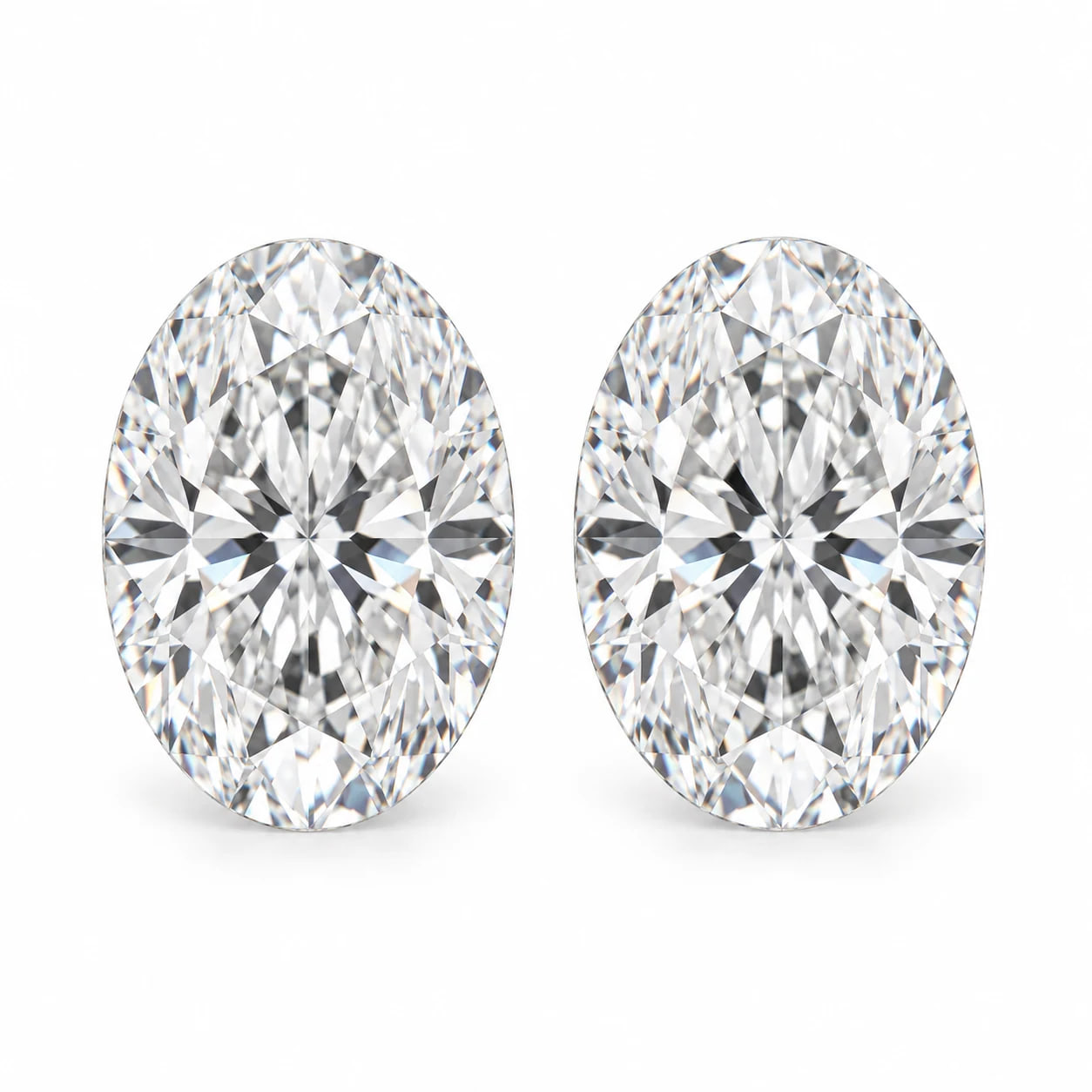
Two round loose diamonds reviewed together for earring programs, custom pairs and clearly defined repeat orders.

Sourcing on request / quotation-based selection
Layout requirement
Purchase unit
Matching brief

Preferences are a brief, not a live inventory selection.

A product brief, not just a grade list

Understanding Round Matched Pair Lab-Grown Diamonds

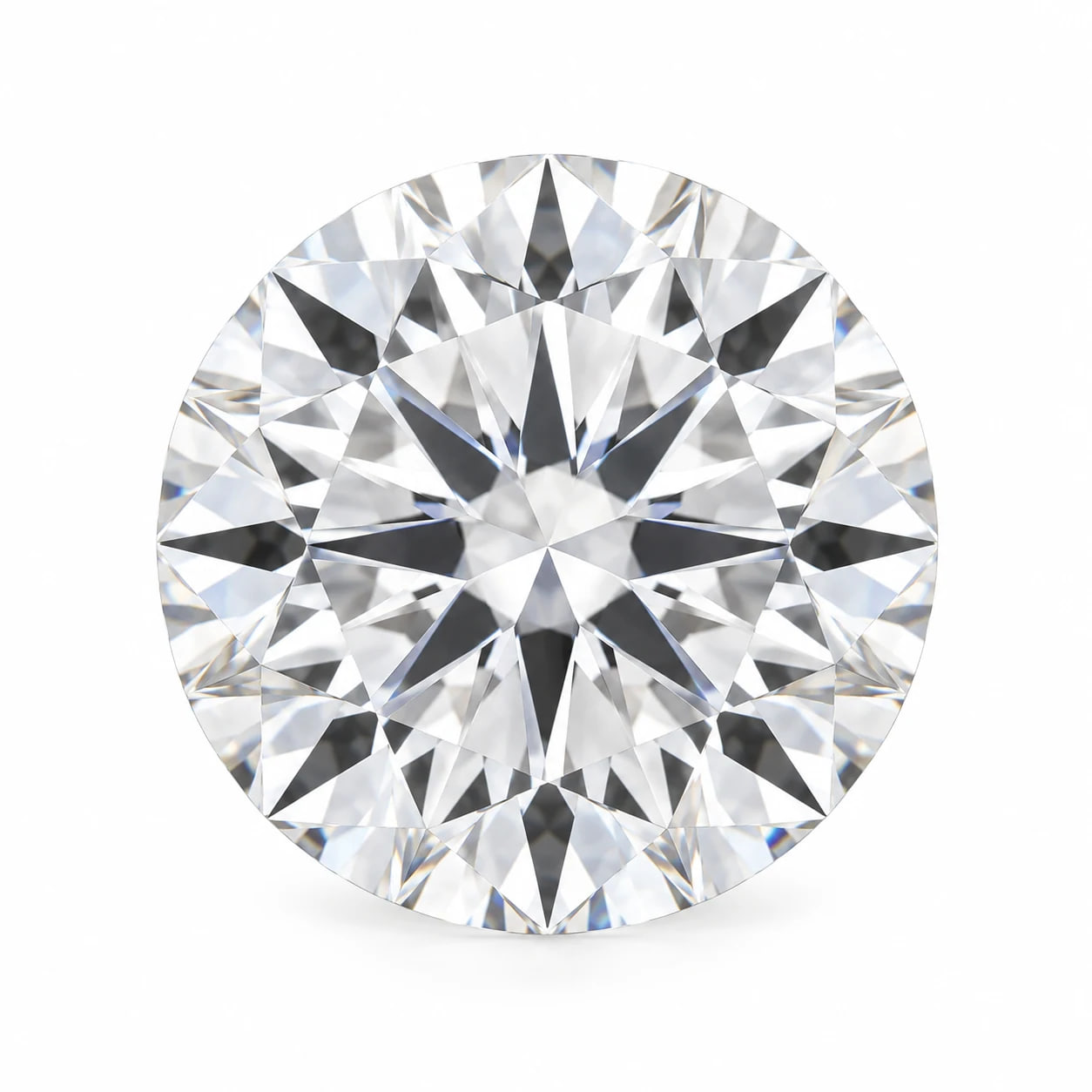
Round matched pair lab-grown diamonds are selected as a visual partnership, not simply as two stones with similar labels. A buyer needs to compare diameter, proportions, face-up appearance and the color relationship between the two, alongside any individual reports. The quotation should make the weight of each stone and the combined pair weight unmistakable. For earrings, the mount and viewing context also belong in the discussion. MEITUO uses a pair-specific brief to coordinate the selection and document requirements, with the actual two stones, matching criteria and commercial conditions confirmed before an order. The example here illustrates the product format rather than an available reserved pair.

01 / Define the actual requirement

Round Matched Pair Lab-Grown Diamonds Specifications

Separate the product description, sample values and information that must be confirmed for the actual selected goods.

Reference requests and example values; not measurements of an available inventory item.
MaterialLaboratory-grown diamond
Product formExactly two round brilliant loose diamonds, selected as one visual pair
Illustrative pair weight0.50 ct each / 1.00 ct total weight; sample configuration only
DimensionsRecord diameter and depth separately for both stones
ProportionsCompare the actual table, depth and face-up appearance where data is supplied
Color / clarityIndividual report data and visual pair relationship, as applicable
Matching criteriaAgree dimensional difference, appearance and inspection conditions
Report correspondenceKeep each report or stone identifier attached to the correct diamond
Growth methodConfirm CVD or HPHT for the proposed goods
DocumentationConfirm the available laboratory report or batch documentation
Post-growth treatmentConfirm disclosed treatment information for the proposed goods
Order unitOne matched pair; per-stone weights and pair total stated separately
MOQ / price / lead timeConfirmed only in the quotation for the agreed specification
Read the actual document and confirm correspondence to the selected goods.
Report correspondenceKeep each report or stone identifier attached to the correct diamond
Growth methodConfirm CVD or HPHT for the proposed goods
DocumentationConfirm the available laboratory report or batch documentation
Post-growth treatmentConfirm disclosed treatment information for the proposed goods

IGI and GIA services have their own report formats. Use the actual issuing laboratory's wording rather than adding a blanket quality claim. IGI report background · Current GIA services

Define purchase units, measurements and the approval basis before comparing quotes.
Illustrative pair weight0.50 ct each / 1.00 ct total weight; sample configuration only
Matching criteriaAgree dimensional difference, appearance and inspection conditions
Order unitOne matched pair; per-stone weights and pair total stated separately
MOQ / price / lead timeConfirmed only in the quotation for the agreed specification

State each-stone weight, total weight, mount size and matching priorities.

02 / Choose against the design

How to Choose Round Matched Pair Lab-Grown Diamonds

Use these product-specific checks to make your quotation request more precise.

01 / SELECTION CHECK

Write the Weight Both Ways

State the desired weight per diamond and the combined pair total. One carat total weight is not one carat each. This simple distinction keeps the comparison aligned with the earring size and purchasing budget you actually intend.
02 / SELECTION CHECK

Compare Diameter Rather Than Labels

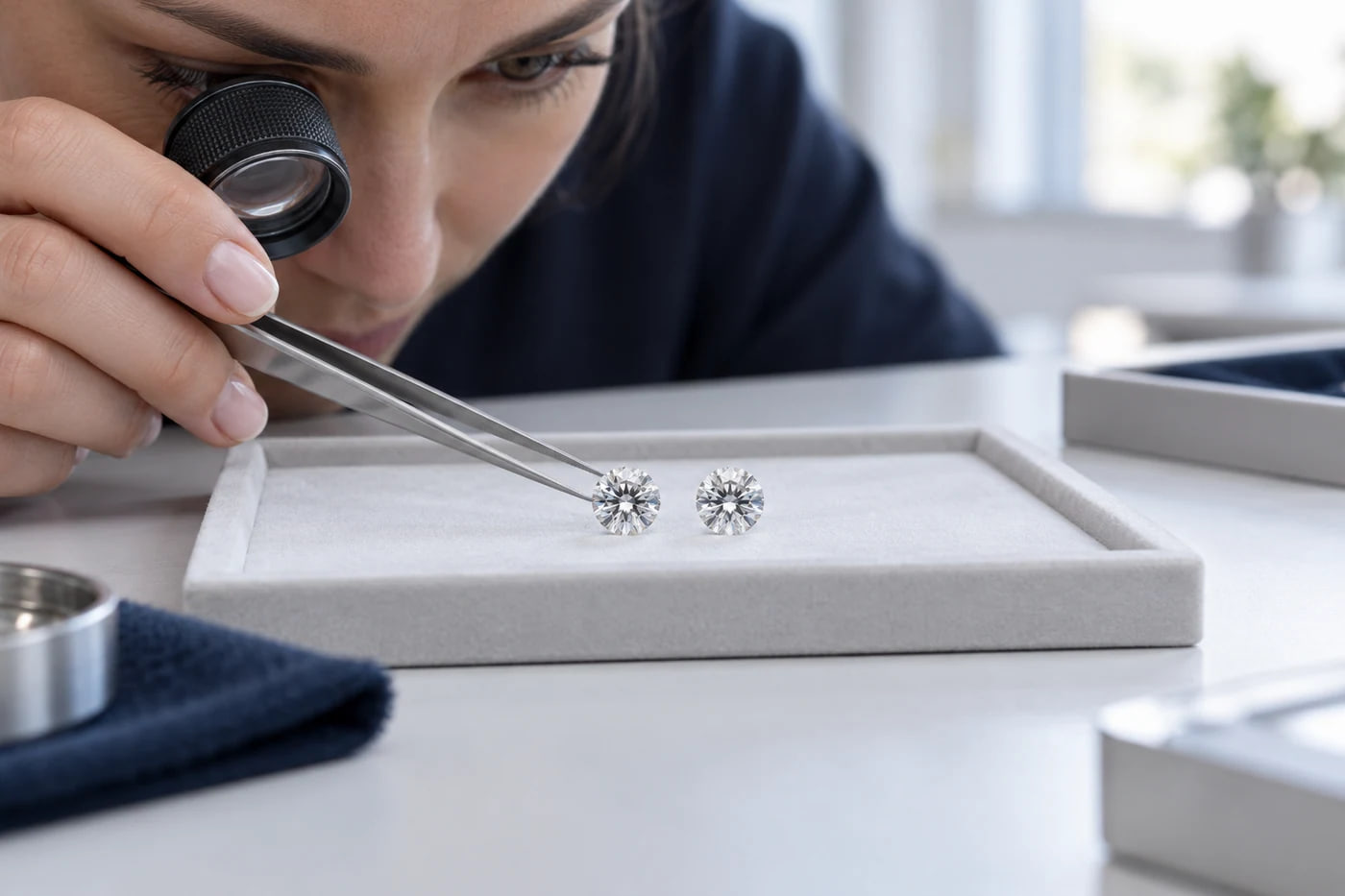
Two rounds of similar weight can have different face-up dimensions. Review the actual diameters and proportions against the mounts, then agree what difference can be accepted in the finished earring pair.

03 / SELECTION CHECK

Review the Stones Together

Matching is a relationship between two diamonds. Ask for a consistent side-by-side visual reference where available, and evaluate their color appearance and light return together rather than approving two unrelated photographs under different lighting.

04 / SELECTION CHECK

Preserve Individual Identities

A pair is one purchasing unit but still contains two distinct stones. Keep individual report details, dimensions and weights linked to the correct diamond so the evidence and the goods remain aligned through setting and future records.

03 / Plan from the finished design

Applications for Round Matched Pair Lab-Grown Diamonds

The finished setting or production workflow determines which measurements and matching decisions belong in the enquiry.

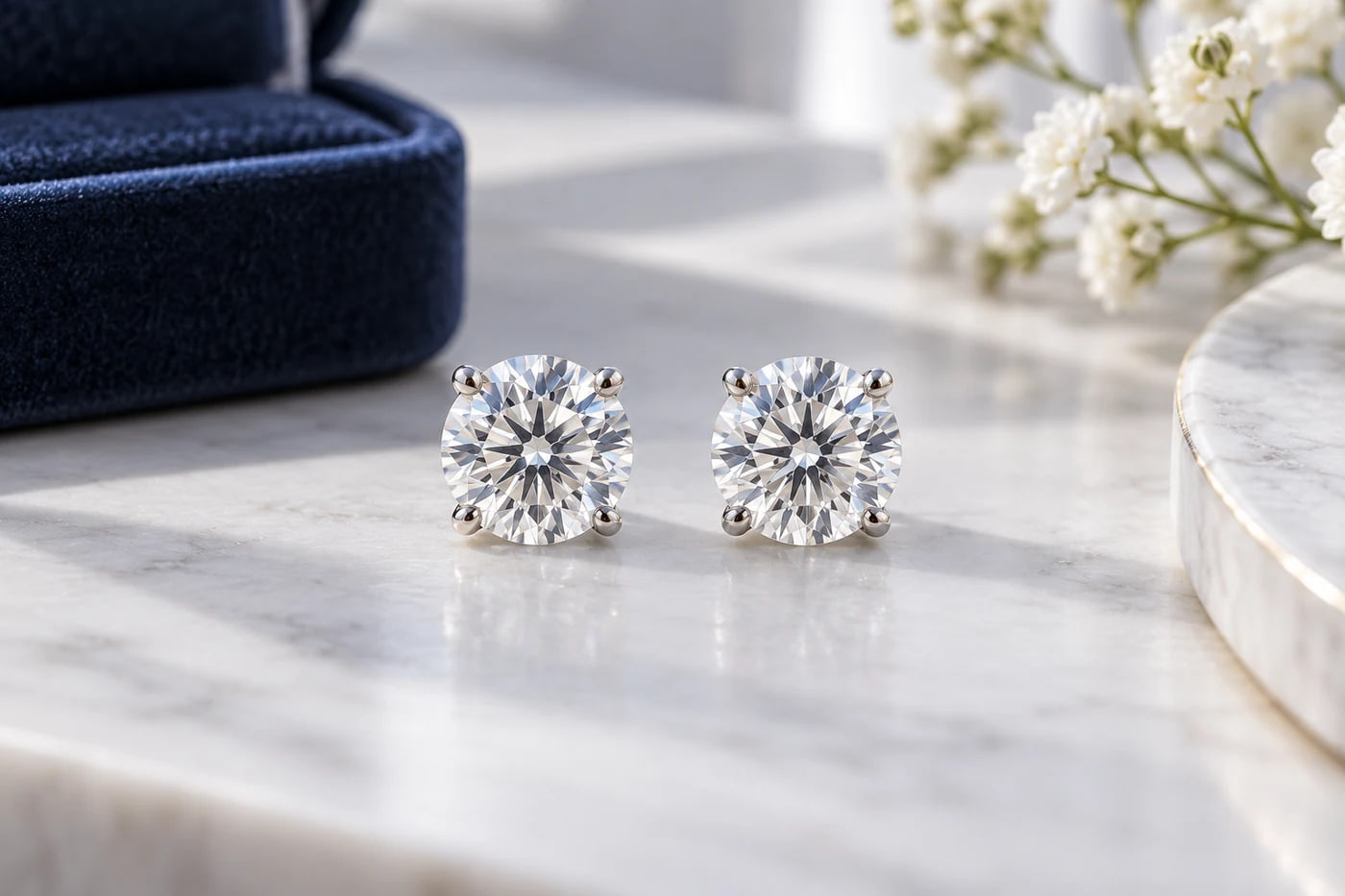
Classic diamond stud earrings — illustrated downstream use of Round Matched Pair Lab-Grown Diamonds

APPLICATION 1

Classic Diamond Stud Earrings

Round studs require a balanced face-up diameter and an agreed visual relationship. Share the intended settings and specify each-stone weight as well as the total so the proposed pair reflects the desired finished size.

Brief This Application
Round-pair visual comparison — illustrated downstream use of Round Matched Pair Lab-Grown Diamonds

APPLICATION 2

Round-Pair Visual Comparison

Review both rounds together rather than comparing separately lit photos. Relate the actual diameters and face-up appearance to the intended mounts, and keep individual stone records within one pair approval so weights and documents remain unambiguous.

Brief This Application

ADDITIONAL DESIGN USE

Custom Paired Jewelry

A design may place two round diamonds in different parts of the same piece while still requiring visual balance. Explain the positions, dimensions and intended relationship rather than assuming a generic earring pair is automatically suitable.

Brief This Application

04 / Your buying model

A Sourcing Brief for Your Business

01

Independent Earring Retailers

Compare a coherent pair for a client order rather than two separate stones with approximate combined weight.

Include in the RFQ: State each-stone weight, total weight, mount size and matching priorities.

02

Jewelry Brands With Stud Collections

Maintain an approved visual standard while discussing new selections for repeated models.

Include in the RFQ: Retain diameter criteria, appearance reference and per-stone record requirements.

03

Custom Jewellers and Setters

Confirm that both stones fit their mounts and that the pair makes sense in the finished setting.

Include in the RFQ: Provide the seat dimensions and the accepted visual and dimensional differences.

05 / Qualitative procurement scenarios

Market Buying Considerations for Round Matched Pair Lab-Grown Diamonds

Use a specific business scenario to prepare an enquiry. These examples do not assert national preferences, market size or confirmed orders.

Editorial buying scenarios, not national demand rankings or company sales data.
MarketBuying scenarioRFQ focus
United StatesStud earring assortment briefsEach weight, total weight, mount size and pair imagery
United KingdomClient-led earring commissionsDesired finished scale and paired-appearance review
AustraliaMade-to-order studs and replenishmentApproved sample record, document mapping and required date
United States · Stud Earring Assortment Briefs

For a US-facing stud assortment, make the product-size description and stone request use the same weight language. A pair total alone leaves individual sizes unclear. Ask for actual diameters and suitable visual evidence before selecting the two stones for a particular model.

United Kingdom · Client-Led Earring Commissions

A jeweller arranging a commissioned pair can start from the intended finished earring size and the preferred mount. Identify which visual differences are acceptable and how the pair will be approved. This describes one possible procurement process, not a national purchasing preference.

Australia · Made-to-Order Studs and Replenishment

For a made-to-order stud model, store the matching brief with the model rather than relying solely on a carat label. A new pair should be reviewed against that reference. Confirm sourcing and delivery arrangements for the actual order before assigning a completion date.

06 / A practical comparison

A Matched Round Pair vs Two Unrelated Single Stones

Compare the properties that change the purchasing decision, then review the actual selected stones or parcel.

Choose against the actual design, documents and offered goods rather than a blanket better-product claim.
Buying pointMatched round pair briefTwo separate single-stone briefs
Approval focusThe two stones’ relationshipEach stone evaluated independently
DimensionsBoth diameters and their accepted differenceOne stone’s dimensions at a time
AppearanceConsistent side-by-side reviewSeparate visual references may differ
Weight languageEach stone plus combined totalIndividual weight only unless combined later
RecordsOne pair record with two stone identitiesSeparate records requiring later coordination

08 / Before you source

Round Matched Pair Lab-Grown Diamonds Buying FAQ

What Does One Carat Total Weight Mean for a Pair?

It describes the combined weight of the two diamonds, not the weight of each one. An illustrative evenly weighted pair could be 0.50 ct each, adding to 1.00 ct total. The actual quotation should state both individual weights and the combined total.

Does Matching Mean the Grades Must Be Identical?

Agree the matching criteria for the project rather than assuming one universal rule. Individual grades matter, but dimensions, proportions and face-up appearance also affect the finished pair. A pair with similar labels still needs to be assessed together in the intended viewing context.

Will Each Diamond Have Its Own Report?

Confirm the document requirement and availability for each proposed diamond. Where individual reports are supplied, preserve the correspondence between each stone and its record. A matched-pair label does not create a combined laboratory report or establish the documentation automatically.

Can the Pair Be Chosen to Fit Existing Stud Settings?

Provide the diameter and depth constraints of both mounts and ask your setter to identify any permitted variation. The sourcing discussion can then compare proposed stones with the actual settings. Carat weight alone does not confirm that both diamonds will fit.

Can I Request a Video Showing Both Diamonds Together?

Include a consistent side-by-side visual review in the brief and confirm what imagery or video is available for the proposal. Compare the pair under similar conditions rather than relying on independently lit images that make color or brilliance difficult to judge.

How Do I Repeat a Successful Stud Earring Specification?

Keep the approved diameter range, proportion priorities, appearance reference and document requirements with the model. Reconfirm the actual stones and their matching for each new pair. A successful earlier order is a useful reference, not a guarantee of identical future stock.

09 / Prepare the next conversation

Build Your Round Matched Pairs Brief

Start with the fixed requirements and explain where the sourcing selection can vary.

State each-stone weight, total weight, mount size and matching priorities.

YOUR PREFERRED REQUIREMENT

Round Matched Pair Lab-Grown Diamonds

Continue to our contact form with your selected specifications and send your requirements directly to our sourcing team.

Continue to Inquiry

Review your product selection and requirements on our contact form.

Keep the buying brief connected

Related Products & Sourcing Resources

Source 1 · Source 2 · Source 3 · Source 4

MEITUO PRODUCT FINDER

Find Your Diamond Selection.

Need help finding a match? Email [email protected]